Will Another Bite Be Taken from the South Fork American River?
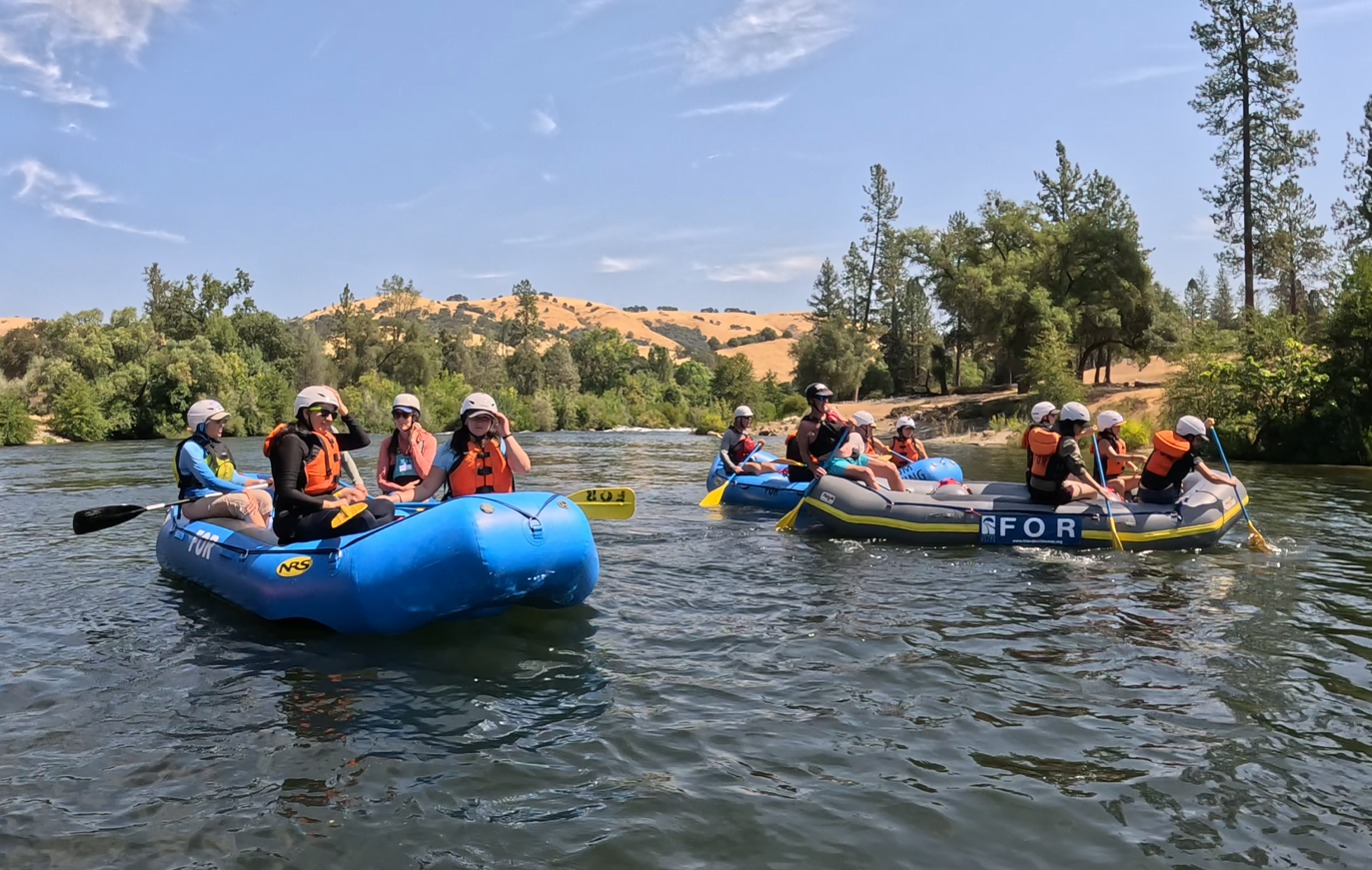
Photo by Friends of the River
Flows on the popular South Fork of the American River could suffer if a new water district proposal gains traction. Specifically, the El Dorado Irrigation District (EID) is proposing to add a “point of diversion” for their water right (Permit 21112) to take water from Kyburz—upstream of 50 miles of extraordinary whitewater. EID currently pumps Permit 21112 water from Folsom Reservoir, which is downstream of the whitewater stretch. The result of the new diversion would be a decrease in whitewater flows and boatable days on the South Fork.
It is no accident that EID’s pumping station is downstream of South Fork whitewater resources. This limitation was hard won in past negotiations over the issuance of water right permit 21112. FOR formally participated in that water rights proceeding, and is still working to protect those wins. That includes pushing back when EID goes back on its commitment.
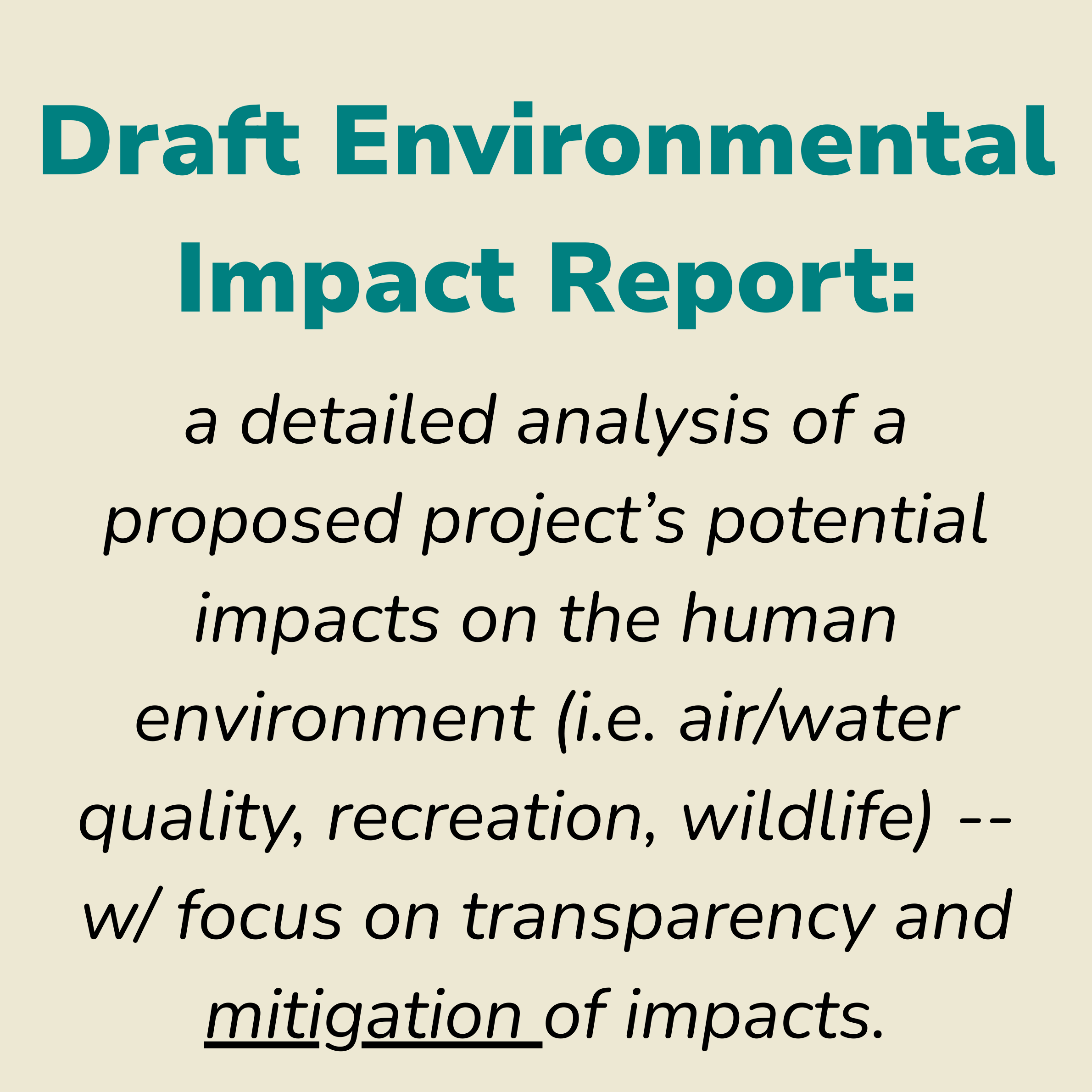
Under CEQA requirements, EID must prepare an environmental review on the impacts of its proposal, including opportunities for public comment. FOR, alongside our partners, submitted comments earlier this month on the Draft Environmental Impact Report (DEIR) for EID’s proposed modification of water right Permit 21112.
EID’s justification for the project is to improve the “reliability” of water deliveries in their service area. They claim that an upstream point of diversion would allow EID more convenient, gravity-fed access to their service area in the upper watershed. Second, they argue that an upstream point of diversion would result in lower energy costs compared to pumping water out of Folsom Reservoir (and uphill to much of EID’s service area). Third, they claim that the project would allow for greater flexibility in how EID uses its various water rights to meet local demand.
However, this is not the whole story. With the release of the DEIR, it became apparent that EID’s proposal could have impacts far beyond those that it has disclosed. Further, it became apparent that the proposal may very well try to use the project for purposes not disclosed in any of the environmental review documents, such as the DEIR. The DEIR also did not fully analyze (i.e. study or break down) all the potential impacts of the project, nor provide adequate mitigations for many of these potential harms.
Approval of this additional point of diversion would result in up to 17,000 acre-feet per year being removed from the river channel, and no longer flowing down the lower reaches of the South Fork American. This decrease in flows could have real impacts on river ecosystems, whitewater recreation, and regional economic drivers. Additionally, the added “flexibility” of EID’s operations could also enable them to take advantage of unused water and sell it for profit to buyers outside of the watershed (also called water export).
FOR identified five issues with the DEIR. It failed to:
Include climate change scenarios in its hydrologic modeling
Adequately address the impacts of the Project on whitewater recreation
Assess how the Project might enable EID to sell water (export) out of the watershed
Address the cumulative impacts of the Project and other proposed water project developments in the watershed (i.e. how the project may contribute to death-by-a-thousand-cuts to certain resources)
Identify or address how the Project might incentivize further development and population growth in El Dorado County
In addition to these areas outlined above, it is also worth noting that local residents and community organizations have voiced significant concern about the project. Although some whitewater flows are currently required by a Federal hydropower license, early season flows and so-called “opportunistic flows” significant for whitewater recreation on the South Fork could be affected. According to the hydrologic modeling in the DEIR, there would be fewer boatable days on certain sections of river, particularly in the spring and early summer. Further, these impacts would be greater in drier years when total flows and water availability are less. This is especially critical, because the DEIR does not include any climate change scenarios in its modeling, which could mean that future impacts would be greater than is estimated given the likelihood of more frequent dry years.
Given the importance of whitewater recreation in El Dorado County, both as a regional economic engine and tourist attraction, as well as a way of life for many residents, the potential impacts of this project could be significant.
Friends of the River, alongside our partners (California Sportfishing Protection Alliance (CSPA), American Whitewater, California Outdoors, American River Outfitters Association, and American River Recreation Association), submitted comments on the Draft Environmental Impact Report highlighting the above shortcomings, and emphasizing the need for these failures to be addressed in the final EIR—because the public must know the true impacts of this project, and those impacts must be mitigated.
FOR also received dozens of comment letters from local residents, whitewater boaters, commercial guides, and other concerned citizens who stepped up and voiced their concerns to EID.
And now, we wait. The final EIR will be published next. We urge our readers, local residents, and those who prefer to keep water flowing down the South Fork, to stay up to date as this story develops.
Your voice may very well be needed.