
Defending Clean Water and Democracy—From California to Congress
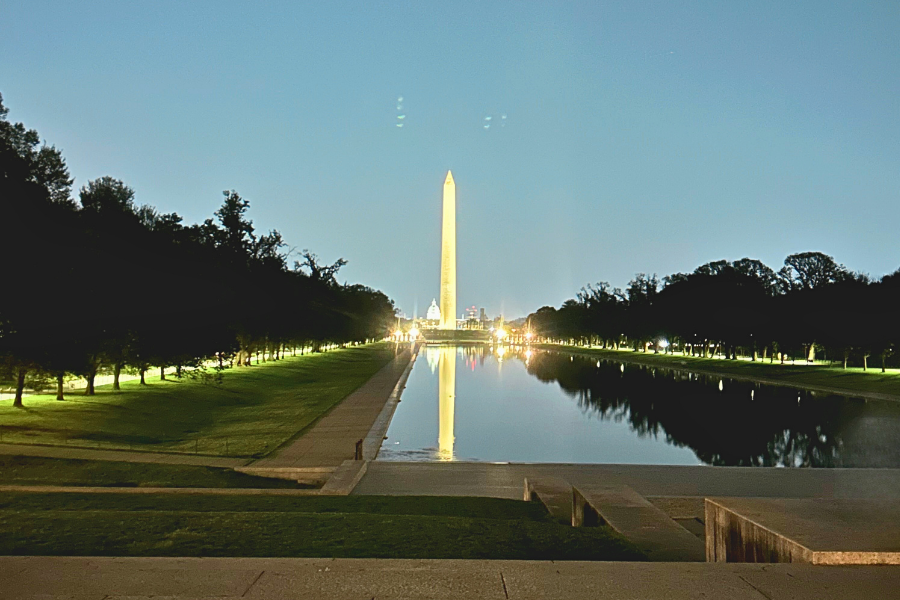
Washington Monument and Reflection Pool at night. Photo Credit: Keiko Mertz
It’s no surprise that decisions made in Washington, D.C. can have lasting impacts on California’s rivers—but lately, D.C. actions pose an even greater threat. Defending our rivers means not just working here at home, but showing up where some of those threats begin. That’s why I traveled to Washington, D.C. in September to advocate on behalf of California rivers as part of the Hydropower Reform Coalition (HRC)—a national alliance of more than 160 organizations working to protect and restore rivers affected by hydropower dams.
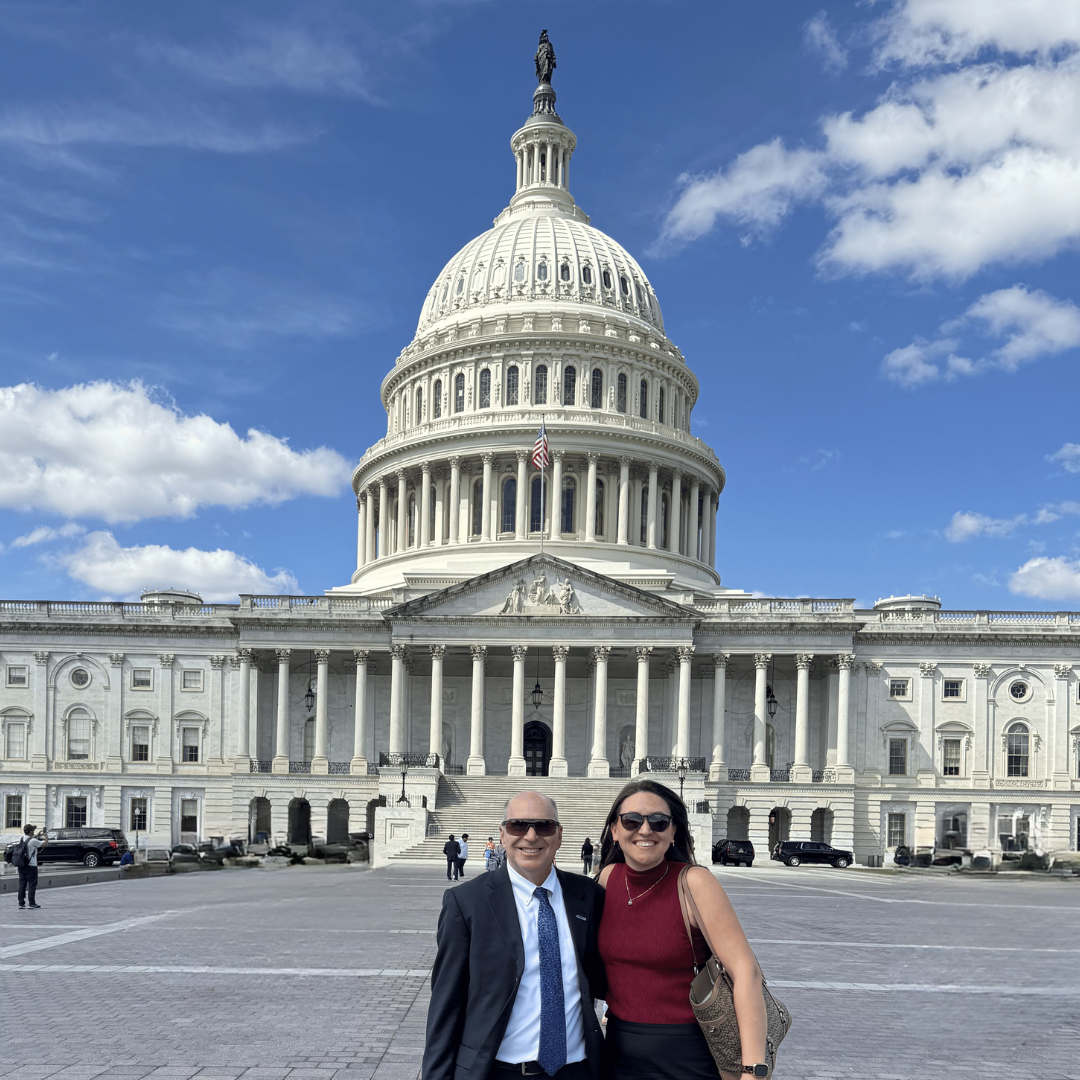
Bob Nasdor (American Whitewater) and Keiko Mertz (FOR Policy Director) pose in front of the U.S. Capitol Building as they hurry between meetings.
The HRC was founded on a simple but powerful principle: we are stronger together. Hydropower operations must support healthy rivers, thriving fish populations, and the communities who depend on them. Together, the coalition engages in Federal Energy Regulatory Commission (FERC) hydropower relicensing processes, educates policymakers, and fights to strengthen—not dismantle—the bedrock environmental laws that keep our waters safe.
Why We Went to Washington D.C.
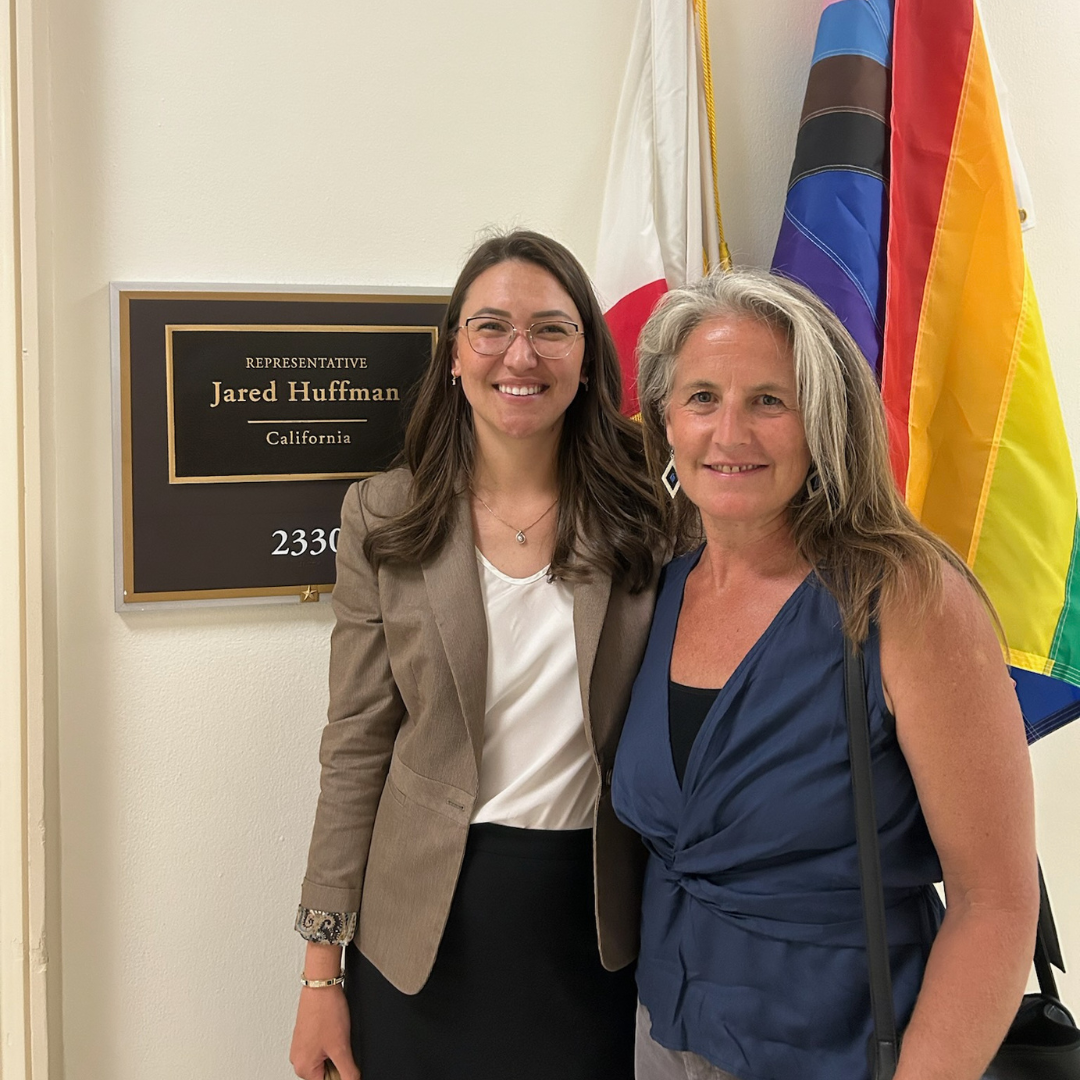
Keiko Mertz (left) and Angelina Cook (right, California Sportfishing Protection Alliance), after a meeting with Rep. Huffman’s staff. Huffman is a champion for California water issues, and his district covers much of the North Coast region.
This trip was about education and defense: showing federal decision-makers what’s at risk if clean water protections and environmental review laws are gutted. Two pieces of legislation currently moving through Congress—the PERMIT Act and the SPEED Act—would fundamentally weaken public participation, environmental safeguards, and state authority to protect our waters.
The PERMIT Act (H.R. 3898) would dismantle key provisions of the Clean Water Act, especially Section 401, which gives states and Tribes the authority to review and place limits on projects that need federal permits—like pipelines and dams. It would also strip away states’ ability to enforce stronger water quality standards, expand pollution loopholes for industries, and make it easier for dischargers to dump contaminants like PFAS without accountability. For our work in California, this isn’t abstract—Section 401 is one of the most powerful tools we have in hydropower relicensing to secure better flows, fish passage, and healthier ecosystems.
The SPEED Act (H.R. 4776) attacks another foundational environmental law: the National Environmental Policy Act (NEPA). NEPA ensures that the public—including Tribes and local communities—can participate in decisions about projects that affect their lives and waters. But the SPEED Act would allow agencies to skip or severely limit environmental reviews, ignore new scientific data, and block courts from holding agencies accountable. It’s an attack on the democratic process disguised as “streamlining.”
In D.C., I joined partners from American Rivers, American Whitewater, the South Yuba River Citizens League, and the California Sportfishing Protection Alliance to meet with congressional and committee staff—not only about these dangerous bills. We reminded them that environmental review and clean water protections are not bureaucratic red tape—they are the guardrails that prevent harm, ensure public voice, and protect future generations.
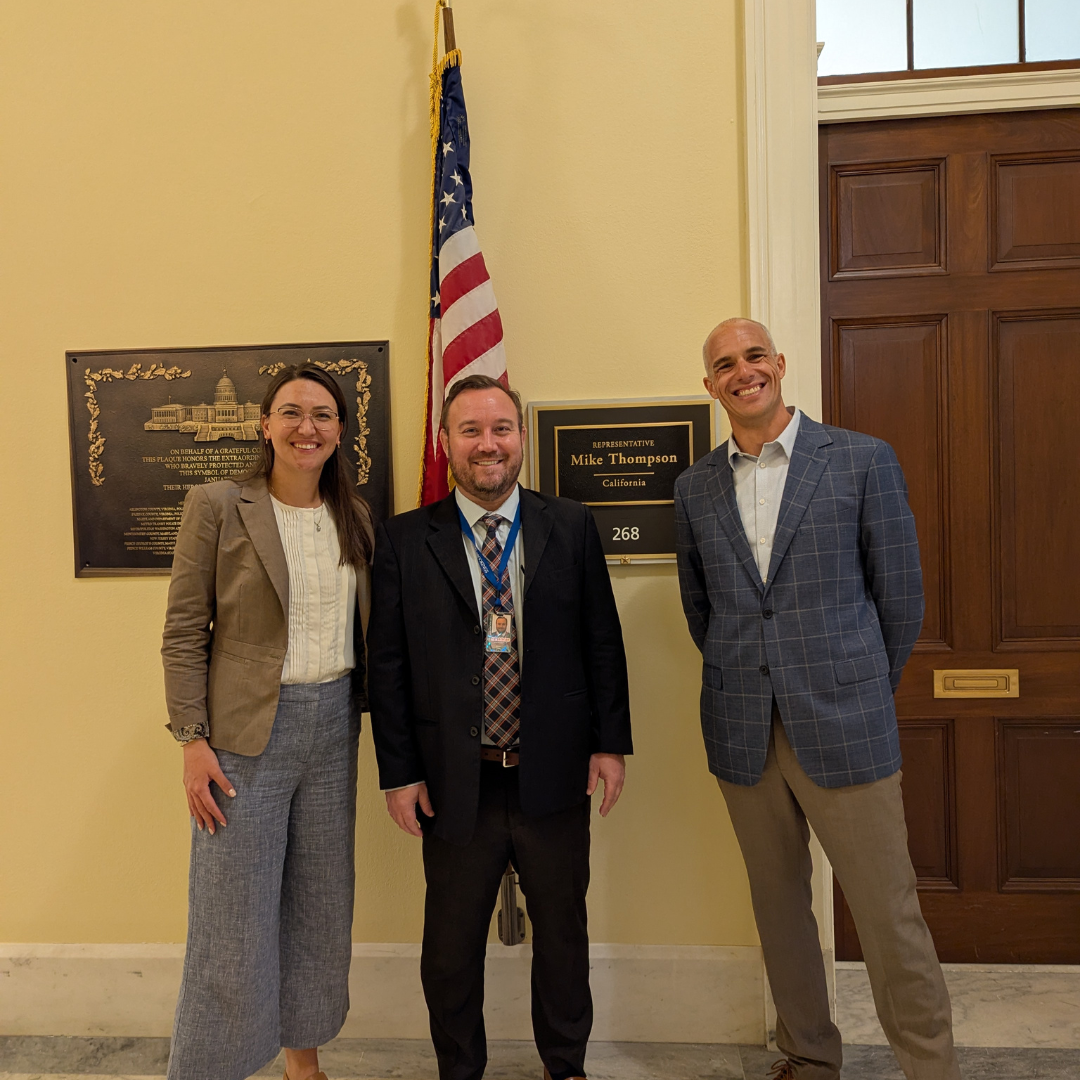
Keiko Mertz (left, FOR Policy Director), Declan Hayes (middle, staff of Rep. Thompson), and Aaron Zettler-Mann (right, South Yuba River Citizens League).
We shared HRC’s vision that our nation can have both a reliable energy supply and healthy, living rivers if we make smart choices. The coalition’s priorities include:
Protect clean water by maintaining strong Clean Water Act and Federal Power Act protections
Improve dam safety which can mean removing of unsafe or non-economic dams
Honor Tribal sovereignty and protecting sacred lands
Improve efficiency without sacrificing environmental review or public participation
Some of our most meaningful conversations centered on how these laws have empowered local communities and Tribes to shape decisions about their rivers. Weakening them would silence those voices.
Why It Matters Here in California
The stakes are high. The same laws under attack in D.C. are the ones we rely on every day to defend California rivers—from the North Coast to the Sierra Nevada to the Bay-Delta Estuary. These protections are the tools that allow groups like Friends of the River to ensure that hydropower projects operate responsibly, that new infrastructure doesn’t poison our waterways, and that the people most affected by these projects have a voice.
This trip was more than just educating lawmakers. We leaned in. We built relationships, strengthened our coalition, and stood shoulder-to-shoulder with allies across the country to protect the values we share. In a time when our environmental laws are under siege, collective action is our most powerful defense.
If you’d like to learn more about the Hydropower Reform Coalition and its policy priorities, click here.