
FOR Takes the Fight for the Bay-Delta to the State Capitol
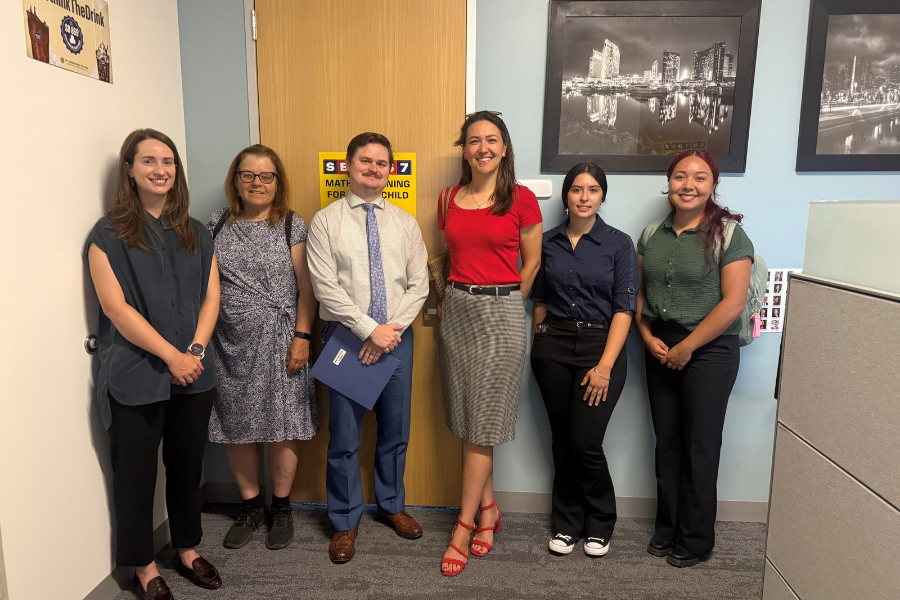
Advocates at the state capitol, including FOR policy director Keiko Mertz (in red).
On August 10, Friends of the River participated in this year’s Bay-Delta Advocacy Day, an annual summer event where activists visit with state legislators and staff to advocate for improved protection of the San Francisco Bay-Delta estuary. Friends of the River’s Policy Director Keiko Mertz partnered with staff and volunteers from a broad coalition of environmental, tribal, fishing and Delta groups to educate California legislators and their staff about the importance of the Bay-Delta Estuary and the rivers that nourish it. Top legislative priorities for the coalition this year included AB 2026, which FOR opposes in its current form, and AB 2218, which it supports.
AB 2026 (Aguiar-Curry) – Groundwater Recharge would set conditions for capturing floodflows in order to recharge groundwater levels. While FOR agrees that some additional runoff can be captured under true flood conditions, we are extremely concerned that in its current form the bill would permit diversions outside of really wet periods, including normal reservoir releases and flows surplus to minimal regulatory criteria – in other words, robbing already overallocated streamflows to replenish historically over-mined aquifers. The bill would also weaken the critical roles of the State Water Resources Control Board and the California Department of Fish and Wildlife in setting regulations and make it harder for the public and affected communities to have their voices heard.
In contrast, the coalition supports AB 2218.
AB 2218 (Kalra) – Indigenous Water Rights represents a small step toward remedying previous inequities inflicted upon Tribes in California, including state-sanctioned acts of violence and intentional exclusion from water rights. This bill would help Tribes have a place at the table in current water decision-making by creating financial assistance for participation, protecting Tribal water uses, ensuring Tribal consultation on water projects and policies, and incorporating indigenous knowledge into water decisions.