When the Clean Water Act Works, the San Joaquin River Wins
A little-known section of the Clean Water Act recently delivered a big win for the San Joaquin River
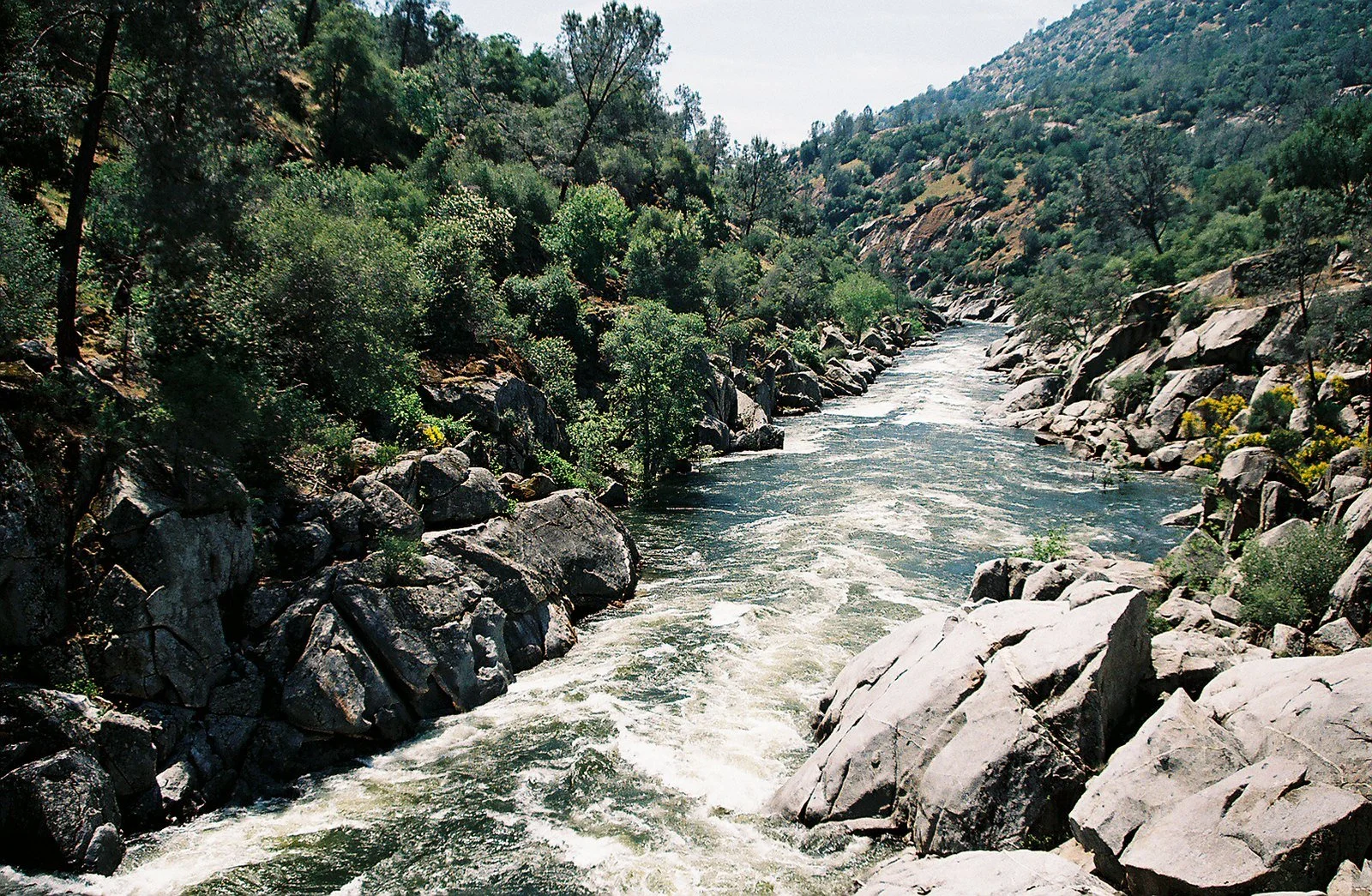
San Joaquin River Gorge
In July, after nearly a decade of advocacy by Friends of the River, American Whitewater, and California Sportfishing Protection Alliance, the State of California finalized a Section 401 certification for the operation of PG&E’s Kerckhoff Hydroelectric Project on the San Joaquin River. Section 401 of the Clean Water Act – one of our nation’s most important river protection laws – delegates power to the states to regulate their own waters by creating conditions (rules) for projects that impact State waters.
The certification contains important new protections for the river, including stronger safeguards against dangerously rapid changes in river flows, better coordination between hydropower projects, and improved whitewater recreation flows and access. The public safety improvements are an especially critical win, because erratic spikes in flows from the project behave like flash floods, and can cause drownings in the San Joaquin River Gorge.
The final certification is an important win. It is also a powerful demonstration of why states’ authority under the Clean Water Act matters. That authority is currently under attack by the federal administration.
A Critical State Role in Protecting Rivers
Hydropower projects like Kerckhoff are licensed by the Federal Energy Regulatory Commission (FERC). During a licensing or relicensing, different state and federal entities create operational rules for different aspects of each project.
The Clean Water Act expressly recognizes and preserves states’ responsibilities and rights to protect water quality and manage their water resources. Section 401 puts that principle into practice. When a federally licensed or permitted activity may result in a “discharge” to federally protected waters, the state has the opportunity and responsibility to determine whether the activity complies with water quality standards and other appropriate requirements of state law. Conditions (rules) imposed through a Section 401 certification then become conditions of the federal license or permit.
That authority is enormously important for rivers affected by hydropower dams. “Water quality” is a holistic view of water and its uses, and is not just related to toxins. How a dam stores, releases, and changes the timing of water can profoundly affect aquatic habitat, fisheries, recreation, public safety, temperature, sediment, and other beneficial uses of a river.
What That Means on the San Joaquin
One of the most important provisions in the certification requires PG&E to no longer make erratic releases. Instead, it must slowly ramp flows up, no more than one foot per hour. Rapid increases in flow can behave like flash floods, and can create serious hazards for people downstream. Friends of the River and our partners repeatedly advocated for stronger ramping protections and argued that operational constraints should not become a blanket excuse for failing to protect public safety.
The final certification also creates an ongoing accountability process by creating the Kerckhoff Advisory Team, bringing together agencies, interested Tribes, nongovernmental organizations, and the public to review implementation of the hydropower license. Importantly, the final certification specifically requires the team to review implementation of the one-foot-per-hour ramping requirement, including when PG&E was unable to meet it, why, and what could be done differently in the future. That’s precisely the kind of transparency and adaptive management that FOR and our partners sought in comments on the draft certification.
The certification also provides scheduled whitewater boating flows, improved access and notification, new streamflow monitoring, coordinated operations among interconnected hydropower facilities, and continued review of project operations. Together, these provisions establish a framework that can continue improving protection of the San Joaquin through a license that will govern the project for decades.
A Law Worth Defending
Friends of the River has worked for years to defend strong state authority under the Clean Water Act Section 401 because federal hydropower licenses shape rivers for generations. When California has a meaningful seat at the table, it can insist that those licenses reflect the needs of the river and the public—not solely the operational preferences of a power producer.
The Kerckhoff certification is a win for the San Joaquin River, for the advocates who fought for stronger protections, and for everyone who fishes, boats, swims, hikes, or simply values this remarkable river.
It is also a reminder of something fundamental: strong environmental laws matter most when they give people and states the power to turn river protection from a recommendation into a requirement. Section 401 of the Clean Water Act does exactly that. It is worth defending.