A Light at the End of the Tunnel
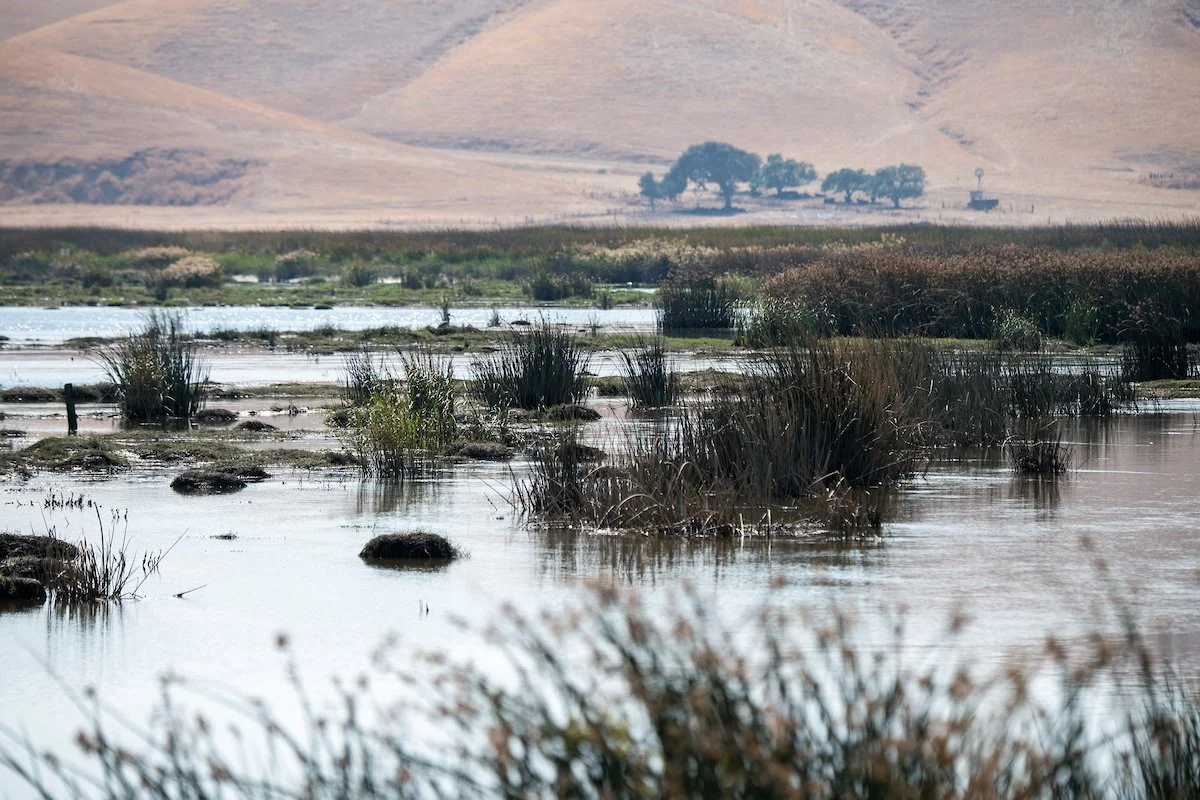
The San Francisco Bay-Delta Estuary is a mosaic landscape, supporting numerous wildlife and human uses. Nurse Slough. 2022. Credit: Ken James, CA Dept of Water Resources.
The state of California has spent many years and millions of dollars pushing the boondoggle known as the Delta Conveyance Project, or less formally as the Delta Tunnel The Tunnel is the latest version of the old Peripheral Canal idea to move water around the Delta to pump more water from the Sacramento River via the giant Delta pumps. This water then gets delivered to San Joaquin Valley agribusinesses and Southern California cities.
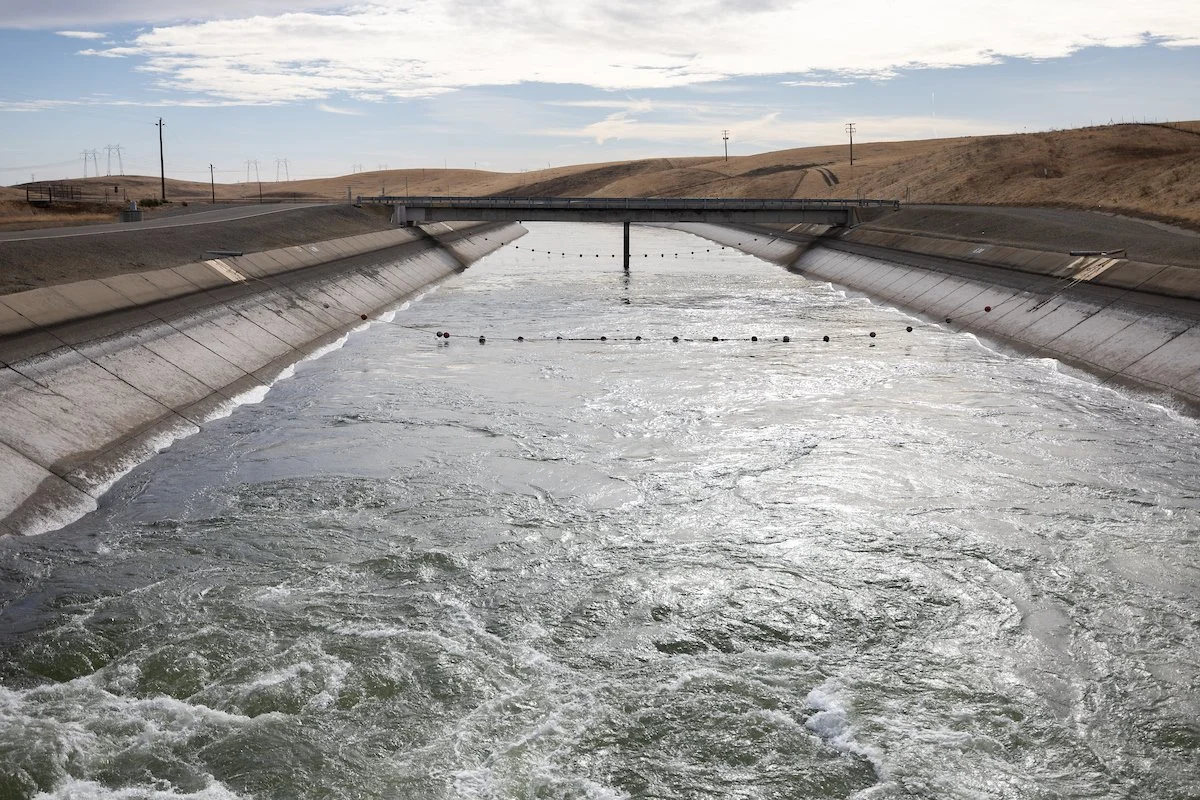
The start of the California Aqueduct at Bethany Reservoir. Both are major components of the State Water Project, which delivers water from the Delta to the San Joaquin Valley and Southern California. 2024. Credit: Andrew Nixon, CA Dept. of Water Resources
According to the Department of Water Resources (DWR), the Tunnel would allow an average of 500,000 acre-feet of additional water to be removed from the Sacramento River before it reaches the Delta. This would have a huge impact on an already overstressed ecosystem where water quality is declining and fish populations are collapsing. In addition, the costs of the Tunnel – officially reported as $20 billion – are estimated by outside experts to be more like $60-100 billion.
The time came this fall for Friends of the River to make the case for why the Tunnel is unnecessary, expensive, and harmful to the environment as the state seeks to secure permits to approve project construction and operation. FOR and many other interests – local governments, tribes, Delta residents, and conservation groups among them – formally protested DWR’s water rights application to the State Water Resources Control Board for the Tunnel. In the water rights proceedings before the Board’s Administrative Hearing Office, we finally got the chance in September and October to present our case in chief against the project application.
Four experts presented written and oral testimony for FOR on the Tunnel project’s critical shortcomings, and there’s no better way to report their findings than to let them speak for themselves.
Here’s environmental scientist Dr. Christina Swanson (clip 3:51:28-4:09:20) detailing how the Department of Water Resources failed to accurately and adequately model potential climate change impacts on hydrology and biology or to evaluate the effectiveness – untested and unproven in the real world – of what would be the world’s largest fish screens.
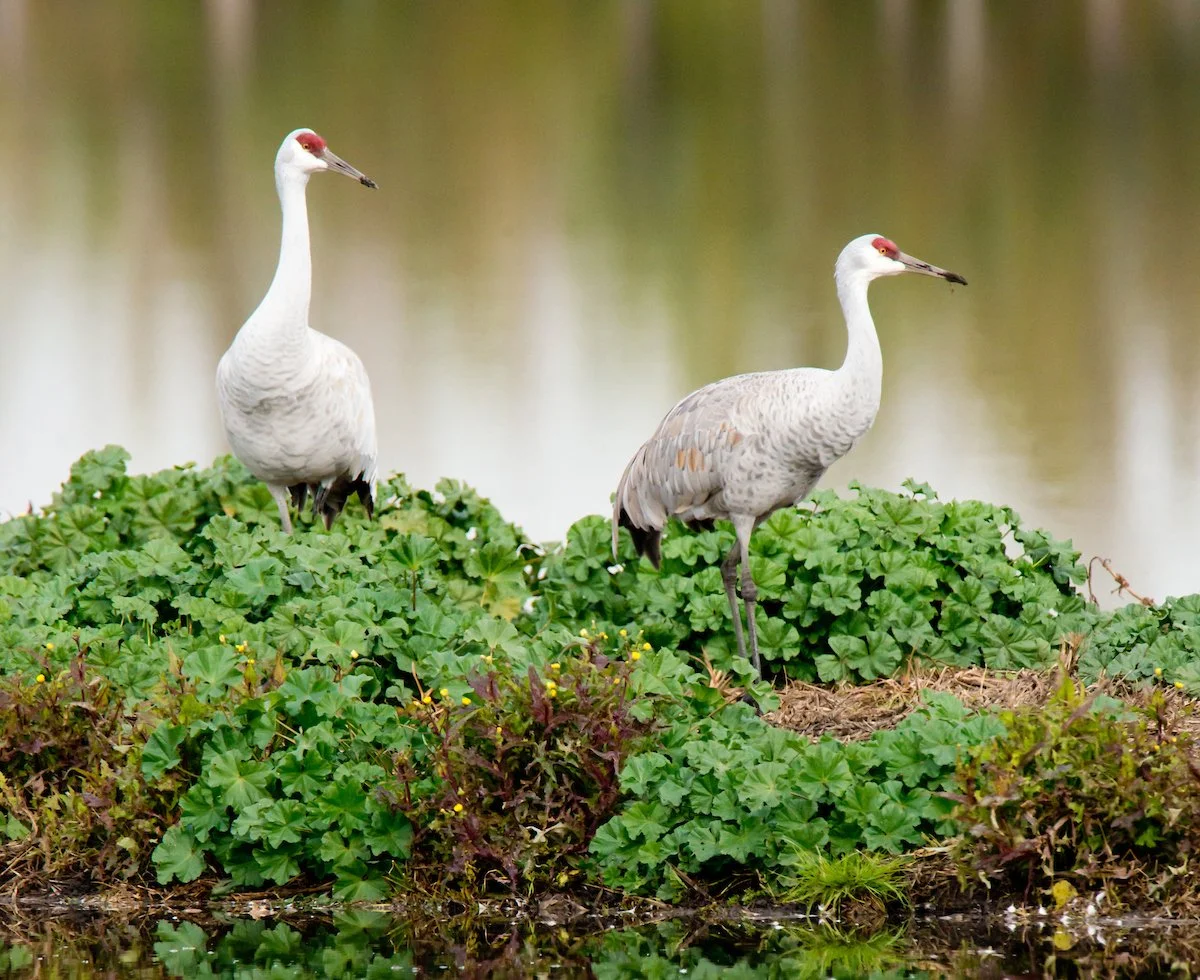
Sandhill Cranes, an iconic species of the Delta. Credit: Florence Low, CA Dept. of Water Resources
Here’s FOR senior policy staffer Ron Stork (clip 56:04-1:44:54) explaining how the Tunnel will incentivize further water infrastructure projects (like dams) in the Central Valley and North Coast – it’s also a great commentary on a rogues’ gallery of past, present, and future projects.
Here’s river recreation business owner and FOR Board Member Charlie Center (clip 26:01-30:01) (testifying for FOR and a consortium of river businesses and interests) highlighting potential impacts of changed reservoir operations and increased water transfers on the ecological and economic health of local watersheds upstream of the Delta.
And here’s Pacific Institute researcher Heather Cooley (clip 6:21:17-6:35:15) documenting the potential for millions of acre-feet of water from conservation, recycling, stormwater capture and other approaches that could provide a more reliable and cost effective source of water supply for Southern California, instead of the expensive and harmful Tunnel.
Will the facts prevail over the state’s hype for this boondoggle? Keep your eyes on this space…