
Major Milestone Reached in Fight Against Sites Reservoir
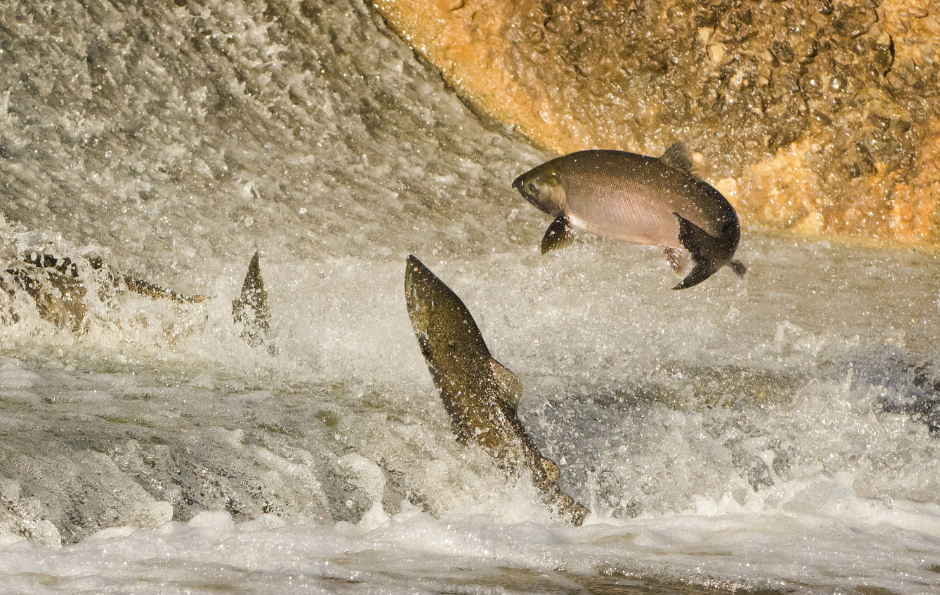
Chinook Salmon leaping during migration
There’s a light at the end of the tunnel (no, not that Tunnel! See this article for that story) in our fight to stop Sites Reservoir. After a year of participating in the water rights proceeding(1) to permit the project, Friends of the River and our coalition of California tribes and environmental groups hit a critical milestone – we submitted closing briefs to the Administrative Hearings Office of the State Water Board, which detail the extensive legal, environmental, and cultural flaws in the proposed project documented in our extensive expert testimony.
The briefs show how the reservoir would further devastate already-imperiled fish species like Chinook salmon, Delta smelt, and longfin smelt; threaten commercial and recreational fisheries; and exacerbate water quality problems including toxic algal blooms. We raised concerns about the project’s outdated hydrological modeling, unexamined greenhouse gas emissions, and staggering, unquantified costs. Tribal parties described in powerful detail the cultural harm posed by the project:
“When you talk about genocide, when you talk about place-based trauma, we are living it right now”
The briefs also expose the Sites Project Authority’s failure to consult with Tribes as required by law, and its complete omission of Tribal Ecological Knowledge—knowledge that could have helped avoid or reduce harm caused by the proposed project. Our coalition urged the State Water Board to deny the application or, at minimum, impose strong conditions to protect fish, wildlife, and all beneficial uses of water.
This milestone caps more than a year of sustained, coordinated advocacy. Together, our coalition put forward expert testimony from fisheries biologists, economists, ecologists and environmental scientists, Tribal leaders, and more. We’ve actively participated in every phase of the water rights hearing—presenting an initial case, supplementing that case as new information emerged, and offering thorough rebuttal to the claims of the project proponents. Our case is grounded in science, cultural truth, and public interest—and we’ve made sure the record reflects that.
What’s next:
We will submit one more brief at the end of June in response to arguments from the Sites Project Authority and its partners. The Administrative Hearings Office will then issue a proposed ruling. After a short public comment period, the AHO will finalize its recommendation, which will go to the full State Water Board for a final decision. This ruling is critical—it’s one of the most consequential permitting decisions the project faces, and one of the best opportunities for public input and transparency.
While the Sites Project Authority continues to promote Sites Reservoir as environmentally friendly, the facts in the record tell a very different story: a deeply flawed project that risks tremendous harm to California’s rivers, fisheries, and Tribal cultural survival.
Resources
(1) FOR and coalition’s opening case in Sites water rights proceeding