U.S. Supreme Court Overturns 91 Years of Hydro-Licensing Agency Precedent
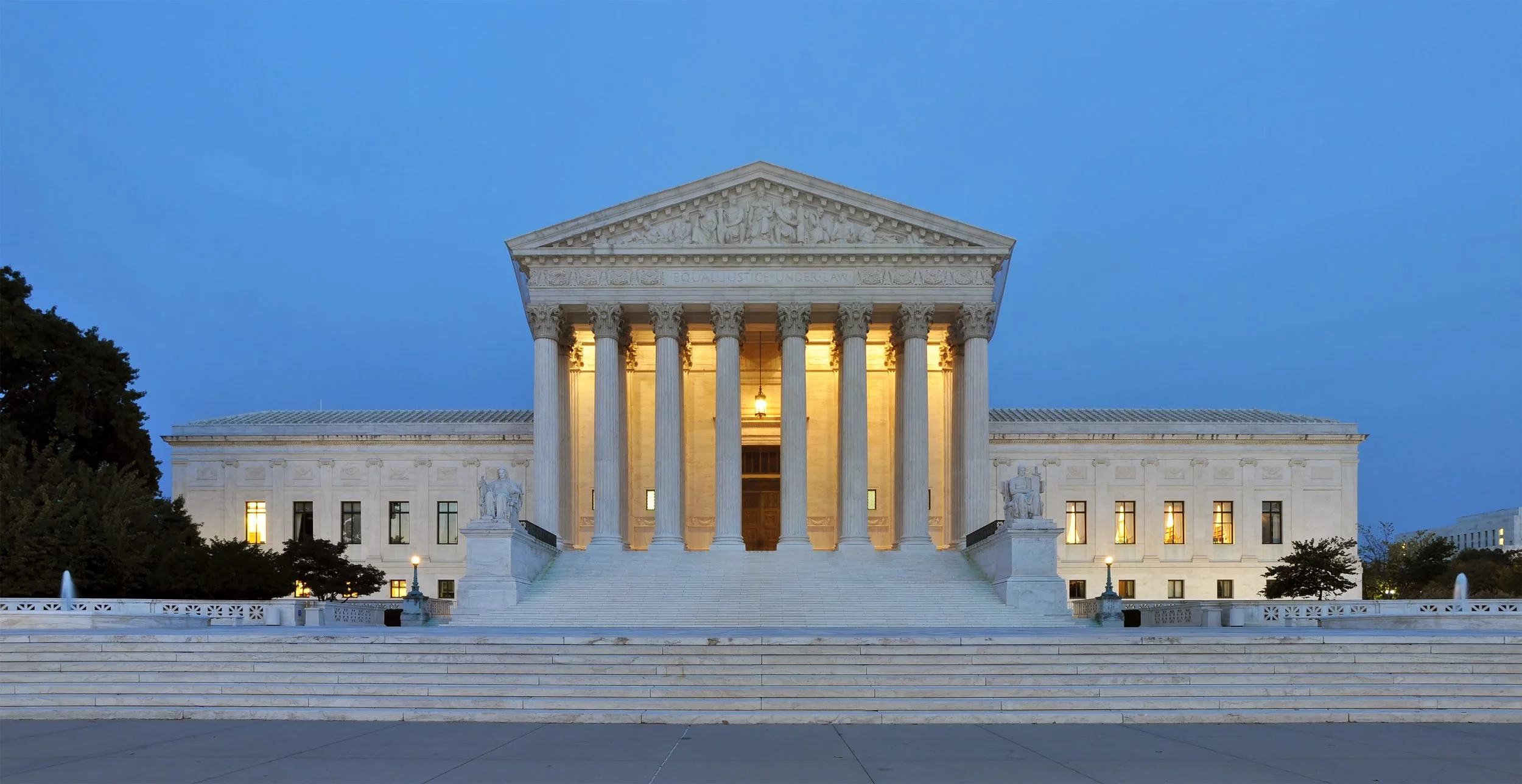
Photo credit, Joe Ravi, CC-BY-SA 3.0, posted in Wikipedia
In 1920 and 1935, the Congress enacted the Federal Power Act (FPA) establishing an independent federal regulatory commission, presently the Federal Energy Regulatory Commission (FERC, formerly the Federal Power Commission) as the licensing body for non-federal dams with an electrical power-generation component. To be under FERC’s jurisdiction, the project to be licensed must either be located on federal lands (presently, the project works outside of national parks), the power hooked into an interstate grid, or on a commerce-clause navigable river. (San Francisco’s Raker Act in and near Yosemite National Park projects are non-jurisdictional by act of Congress in the Raker Act and the FPA.)
The Commissioners’ terms expire over time so that it takes time for a President or the Congress to reshape the Commission. The fixed terms insulate Commission members from political pressure.
https://en.wikipedia.org/wiki/Independent_agencies_of_the_United_States_federal_government. Unfortunately, that Wikipedia page is no doubt being rewritten.
The need for a rewrite came this week when the U.S. Supreme Court in Trump v. Slaughter in a 6 to 3 decision struck down its 1935 Humphrey's Executor v. United States interpretation of independent regulatory commissions. The court now makes the commissioners serve at the pleasure (whim) of the President and can be fired without cause.
Associate Justice Sotomayor observed the following in her dissent today:
Today’s decision profoundly undermines this reliance and, as a result, undercuts one side of the balance that the political branches struck. Put simply, today the majority reshapes our Government. Dozens of independent commissions are now likely to become purely executive agencies, shifting tremendous power over broad swaths of American life into the President’s hands: the Federal Energy Regulatory Commission, with responsibility for managing the Nation’s energy supply, see 42 U. S. C. §7171(b)(1); the Consumer Product Safety Commission, which protects Americans against harms caused by dangerous goods, see 15 U. S. C. §2053(a); the Chemical Safety Board, tasked with investigating chemical disasters, see 42 U. S. C. §7412(r)(6)(B); the Nuclear Regulatory Commission, responsible for the regulation of nuclear power, see 42 U. S. C. §§5841(a), (c), (e); and the Merit Systems Protection Board (MSPB), charged with ensuring the integrity of the civil service, see 5 U. S. C. §1202. The list of agencies potentially modified by today’s decision goes on.
For further background, in a 1990 case, California v. FERC, the U.S. Supreme Court in a 9 to 0 stare decisis decision reaffirmed its 1946 decision in First Iowa. The court ruled that states did not have the power to issue water rights that conflict from FERC’s licenses in hydropower dams (leaving the question of multi-purpose dams unclear). In practice, since that time, states have chosen to use their federal Clean Water Act Section 401 water-quality certification powers to influence non-federal dam decision-making outcomes. Alas, this power is under attack in a current EPA rulemaking and from time to time in the federal courts (the latter, fortunately including a favorable 9th Circuit decision initiated by the Friends of the River and other conservation group partners).
Stay tuned for more action as the consequences of this court decision and the EPA rulemaking progress.