
Draft Permit Exposes Sites Reservoir’s Weaknesses
State Board proposal draws fire from Governor and dam backers
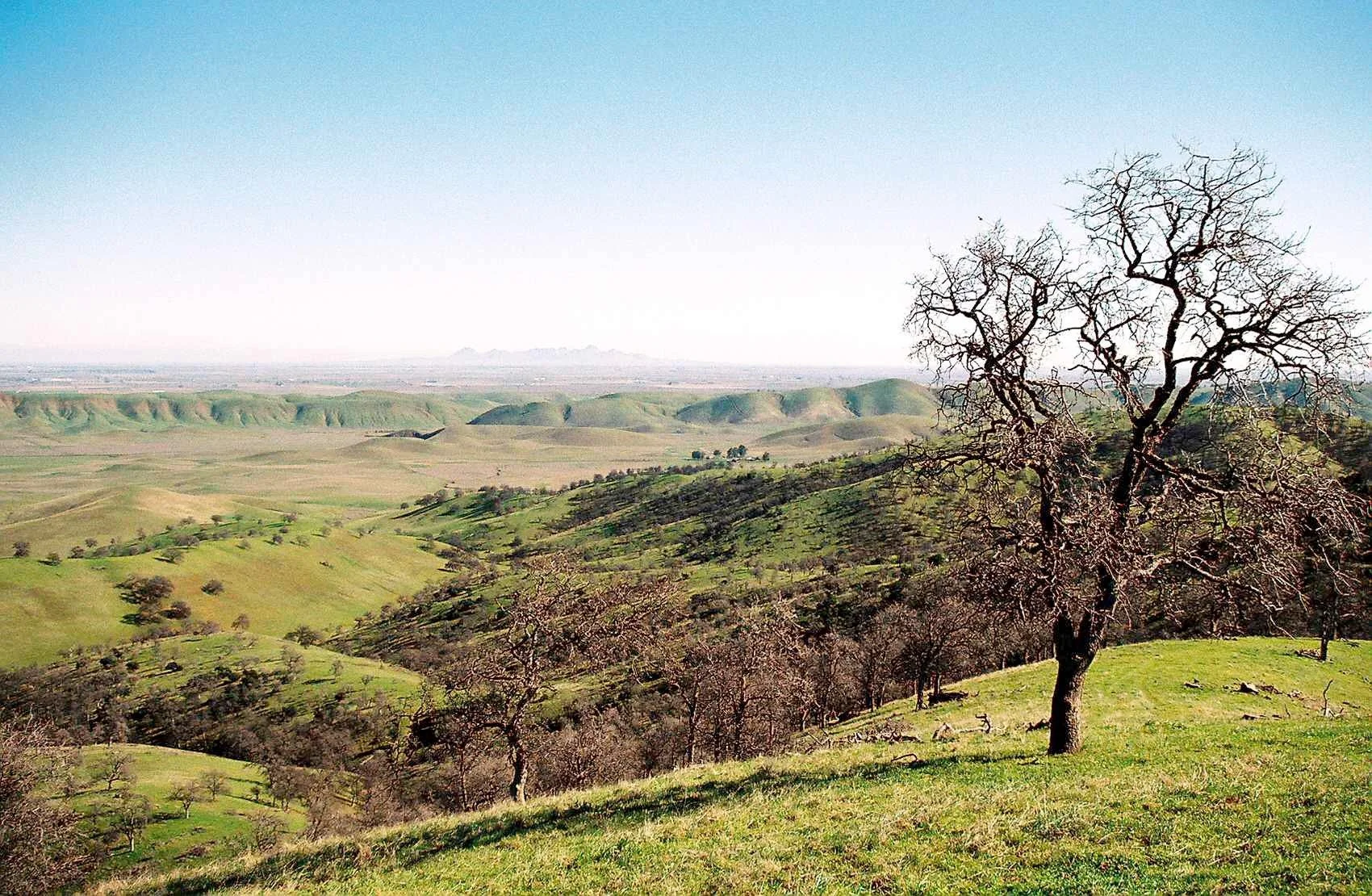
The proposed reservoir location. Sue Graue.
A draft permit that actually tries to place some protective conditions on the proposed Sites Reservoir is drawing political heat. But even that draft order doesn’t go far enough to prevent the environmental and cultural harms that the massive project would cause.
Nearing the end of a multi-year, quasi-judicial water rights hearings process, the State Water Resources Control Board's Administrative Hearings Office (AHO)released a draft water right permit and order for the proposed Sites Reservoir in March. Friends of the River, which has been a leader in the formal protest against the project, submitted extensive comments (alongside Tribal Nations, environmental justice and conservation groups, and others) on the draft permit in May. A revised draft decision from the AHO is now expected in mid-July for consideration and adoption by the Board in September.
The draft permit acknowledges that Sites would cause real environmental harm and therefore imposes substantially more restrictions than the project proponents wanted. The draft water right order contains critical improvements over the proposal made by the Sites Project Authority. Notably, it:
Adds water diversion restrictions and flow requirements intended to reduce harm to salmon and other native species,
Rejects Sites JPA’s attempt to cut the line by claiming a 1977 water right priority date and instead correctly assigns the project a 2022 priority date,
Included greater protections for water quality related to mercury, toxic algae,
Imposes new requirements for greenhouse gas emissions, and
For the first time, a water right permit outside of the State Water Project and Central Valley Project would include limits tied to Delta outflow, which is significant because it recognizes that Sacramento River diversions can affect the broader Bay-Delta ecosystem and should be constrained when conditions are poor.
While these are very significant improvements, they do not fully solve the project's fundamental problems. Even with those improvements, the project remains environmentally damaging, economically questionable, and unnecessary. The Sites Project Authority (Sites JPA) claims that reducing harm makes the project infeasible. If it has to change the rules to be feasible, it’s not a good project.
The project is still not in the public interest. California's rivers, fisheries, and Delta ecosystem are already in crisis. The draft permit still allows substantial new diversions from the Sacramento River, and many of the environmental protections remain too weak or could be weakened later through administrative processes. The permit also fails to adequately address the unmitigable impacts to Tribal cultural resources and ancestral lands that would be inundated by the reservoir.
The draft decision also raises serious questions about project feasibility. The Sites Project Authority has repeatedly argued that stronger environmental protections would make the project more expensive and reduce water yield. Yet the draft permit concludes that protections above what the project proponents proposed are necessary to reduce harm. If a project only works when environmental costs are shifted onto rivers, fish, Tribal communities, and the public, that is a warning sign—not a justification for moving forward.
Lastly, outside political pressure is threatening the integrity of the process. After years of hearings, expert testimony, and thousands of pieces of evidence in this quasi-judicial process (that is, one conducted similar to a trial), several high-ranking elected officials and agency leaders urged changes that would weaken environmental protections in the draft permit simply because the project sponsors stated that the reservoir would not be financially viable otherwise (the same claim they made when endangered species protections were required under a separate permit – but which did not stop them pursuing the project). Independent decision-making is essential to public confidence in California's water management system. Water rights decisions should be based on facts, science, and the law—not political influence.
Friends of the River will continue advocating for stronger protections for California's rivers, fisheries, and communities as the State Water Board considers the next draft decision expected this summer.
Resources
NGO Comments on Sites Draft Water Right Permit and Order
Tribal Comments on Sites Draft Water Right Permit and Order
Sites Reservoir is Not a Silver Bullet