We Are Still Here: The Winnemem Wintu Tribe and the Fight to Stop the Shasta Dam Raise
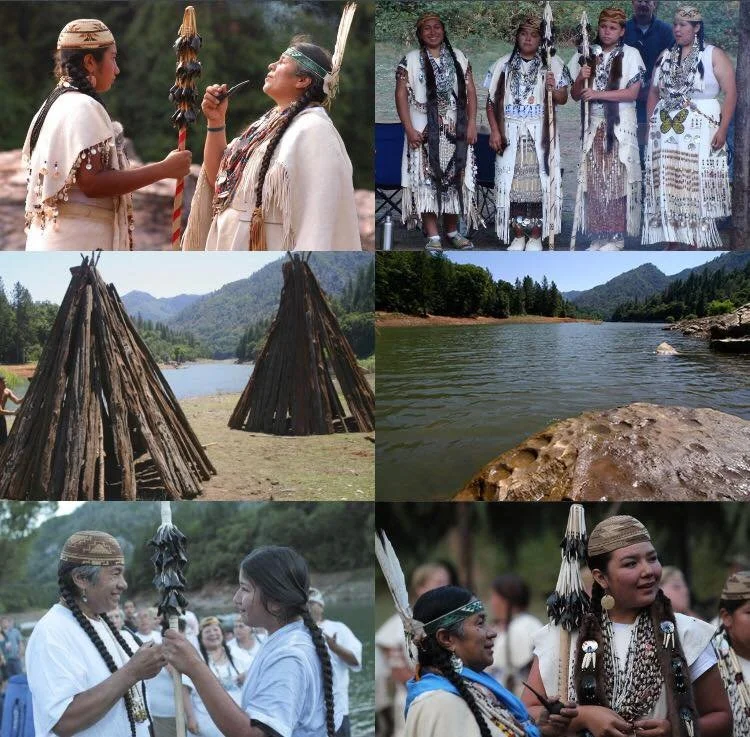
A Winnemem Wintu ceremony on the McCloud that would no longer take place if the dam was raised. Photo credit: Gary Mulcahy

For the Winnemem Wintu Tribe, the McCloud River is more than a river. It is their ancestral homeland, the center of their cultural identity, and the place where generations have lived, held ceremonies, and cared for the land.
That connection was forever altered in the 1940s when Shasta Dam was built. The creation of Shasta Reservoir flooded thousands of acres of forest and submerged villages, sacred sites, burial grounds, and cultural resources beneath its waters.
According to Gary Mulcahy, Government Liaison for the Winnemem Wintu, the Tribe lost more than 90 percent of its traditional homeland when the dam was first constructed, including sacred sites, historical villages, resource gathering areas, and burial grounds. The loss was not only physical—it disrupted cultural practices and severed connections to places that had sustained the Tribe for thousands of years.
Loss That Still Shapes the Present
Today, the few places that escaped the original flooding remain among the Tribe’s last direct links to its history, culture, and spiritual traditions. These sites are not symbolic—they are actively used for ceremonies, teaching, and cultural continuity.
But those remaining places are now under renewed threat. Federal agencies continue to advance plans to raise Shasta Dam by up to 18.5 feet, a project that would inundate many of the remaining cultural and ceremonial sites along the McCloud River.
“An enlargement of Shasta Dam to an additional 18.5 feet would effectively destroy most of the sacred and cultural sites left that the Winnemem Wintu still use today,” Mulcahy warns.
Flooding would also threaten the survival of the generational cultural knowledge and practices tied to the use of these sites by tribal members.
What Is at Stake: Justice
The proposed dam raise is not only an infrastructure decision. It is a test of environmental justice and California’s commitment to protecting Indigenous cultural heritage.
“How much does one People have to suffer and give up to support the Big Ag and water agencies who would be the main beneficiaries of the increased storage?” Mulcahy asks. “The Winnemem Wintu have suffered enough.”
At stake are sacred cultural and ceremonial sites, burial grounds, ancestral landscapes, traditional practices, and the Tribe’s living connection to the McCloud River.
Restoring What Was Broken
The project also threatens progress being made to heal long-standing ecological and cultural damage. For years, the Winnemem Wintu Tribe has worked with partners to restore winter-run Chinook salmon to the McCloud River, reconnecting the species with habitat cut off when Shasta Dam blocked access to its historic spawning grounds.
These efforts represent more than ecological restoration. They are part of a broader effort to rebuild cultural relationships with the river and restore stewardship that predates the dam.
Raising Shasta Dam could complicate and undermine this work, creating new barriers for both salmon recovery and Tribal-led restoration efforts. It would also violate California’s Wild and Scenic Rivers Act, and Friends of the River has fought successfully to enforce the law against the project in the past. But federal sponsors of the raise are trying to preempt the state protections for the McCloud River.
A Longstanding Fight
For decades, the Winnemem Wintu Tribe has opposed the dam raise through ceremony, advocacy, education, and partnerships across California. Their message has remained consistent: further flooding of their remaining homeland would cause irreversible harm.
Respecting Tribal identity requires more than consultation. It requires listening to Tribal leadership and acting to protect cultural resources that cannot be replaced once lost.
A Choice for California
As California considers the future of Shasta Dam, it faces a clear choice: repeat the harms of the past or uphold commitments to Tribal cultural preservation and environmental justice.
The question is not only about water storage. It is about what kind of future California chooses to build—and whether that future includes protecting the people who have stewarded these lands for thousands of years.
Take Action
Federal agencies are accelerating efforts to advance the Shasta Dam raise. Stand with the Winnemem Wintu Tribe and urge the next California Governor to:
Oppose the Shasta Dam raise
Protect Tribal cultural and sacred sites
Uphold California’s commitment to Tribal sovereignty
Defend the McCloud River and its cultural heritage
Uphold the state Wild and Scenic River Act’s protections for the McCloud
Sign the petition today and help protect what remains of the Winnemem Wintu ancestral homeland.