Rush to Judgment at Del Puerto Canyon
Dam EIR published and certified
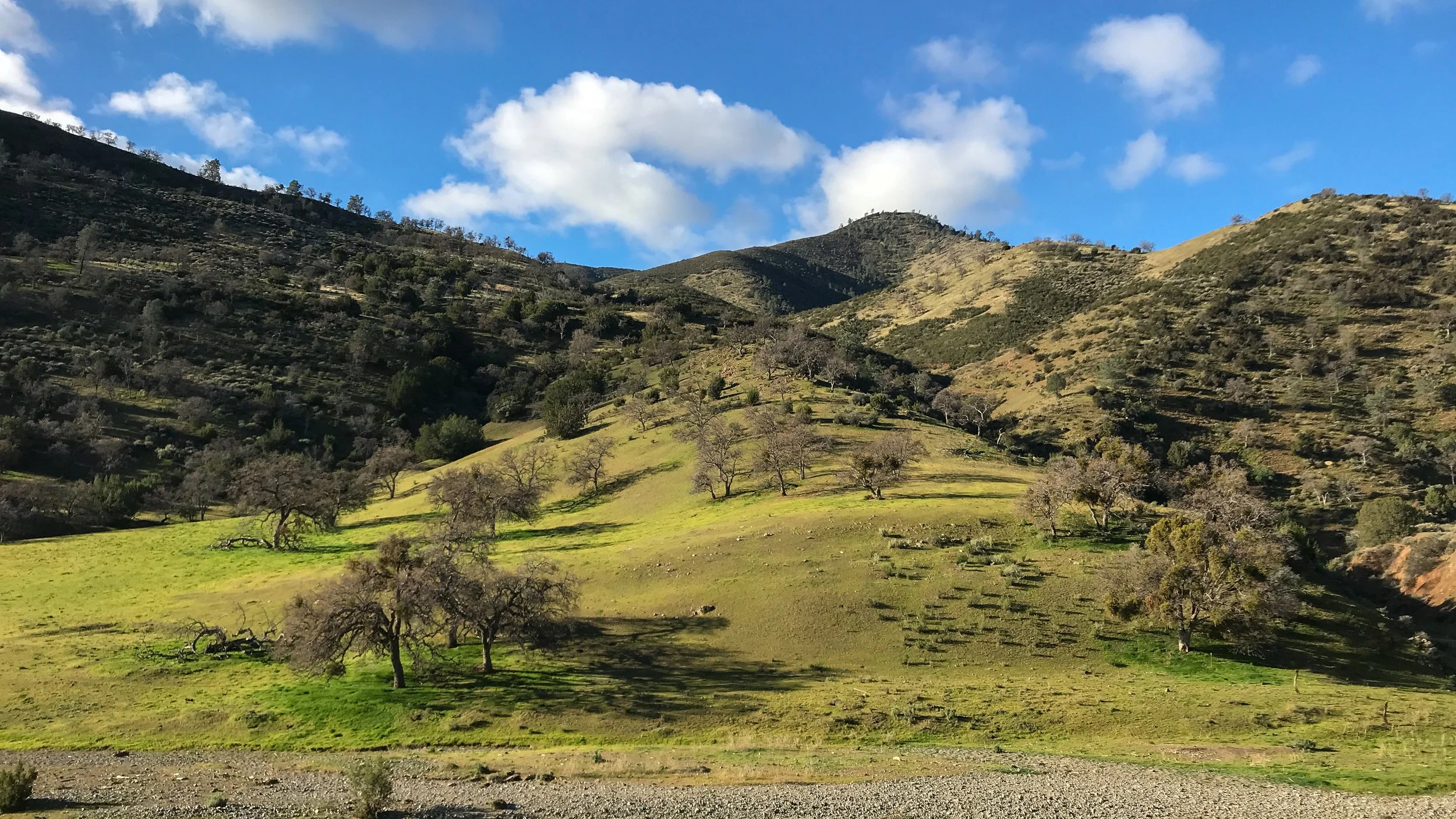
Save Mt. Diablo. Photo by Jim Gain
[Images and video from Save Mt Diablo]
For those of you – unlike the crew at Friends of the River – who don’t live and breathe the minutia of environmental impact reports (EIRs), the act of certifying an EIR is like wrapping up your life and leading yourself through Saint Peter’s pearly gates and into heaven.
Back down in California, public agencies tie bows ribbons and ribbons around their EIRs by adopting some mitigations and, for unmitigable impacts, adopting statements of overriding considerations explaining why they want to move forward anyway, all in a process called certification.
The Del Puerto Water District certification of its EIR for its proposed Del Puerto dam was done quickly. The District issued its final EIR on August 7, 2026, and certified it on August 19.
That’s expeditious.
Of course, the little Water District board of directors’ meeting room was crowded with folks who did not support the project, which may have been uncomfortable for the board members, but in the end the vote was unaffected (see this blog by Save Mount Diablo).
Of course, it had been a long and tricky journey for the District. Their first EIR drew lawsuits. In trial court, their EIR had mostly survived a lawsuit brought by Sierra Club et al. (including FOR among the et al.) but had been dinged for deferring the rather important detail of the road relocation around the reservoir. On appeal, the appellate court was OK with the lack of a sufficient road relocation element (it was confident, however, that a supplemental EIR on that would be done later) but dinged the EIR for not covering the terrestrial impacts below the proposed dam.
So, the District prepared a partially recirculated draft EIR on terrestrial impacts below the proposed dam. Back in January, we offered comments on the draft EIR and environmental impact statement (EIS) for this project (see our last blog about those comments). We were not persuasive, at least to the District.
The District lawyered up for the final EIR, and parts of it read like a legal brief. Their final EIR also declared that it was wrapping the other elements that had survived judicial challenge with its analysis in the partially recirculated draft EIR into one comprehensive EIR.
Of course, while some in the District may be taking victory laps, they have a challenging road in front of them. They or Stanislaus County has to undertake an EIR analysis on the road relocation.
Perhaps more importantly, the dam would hold United States Bureau of Reclamation Central Valley Project water pumped from the Delta within a new 82,000 acre-foot $750-million to $1.18-billion reservoir nestled within the foothills of the San Joaquin Valley’s west side. The price is not cheap, and it’s not exactly the District’s water. Reclamation would need to amend its water rights permits to be able to store and release Delta water in a new reservoir. That could take a while.
Many of us would prefer that this nice little stream canyon not be turned into a reservoir bathtub ring, and will be fighting to prevent that happening for many years to come.
Stay tuned here or at “Save Del Puerto Canyon’s” Facebook page, or “Save Mt. Diablo’s” website.