Deadbeat Dams, Dreams, and the State’s Power Players
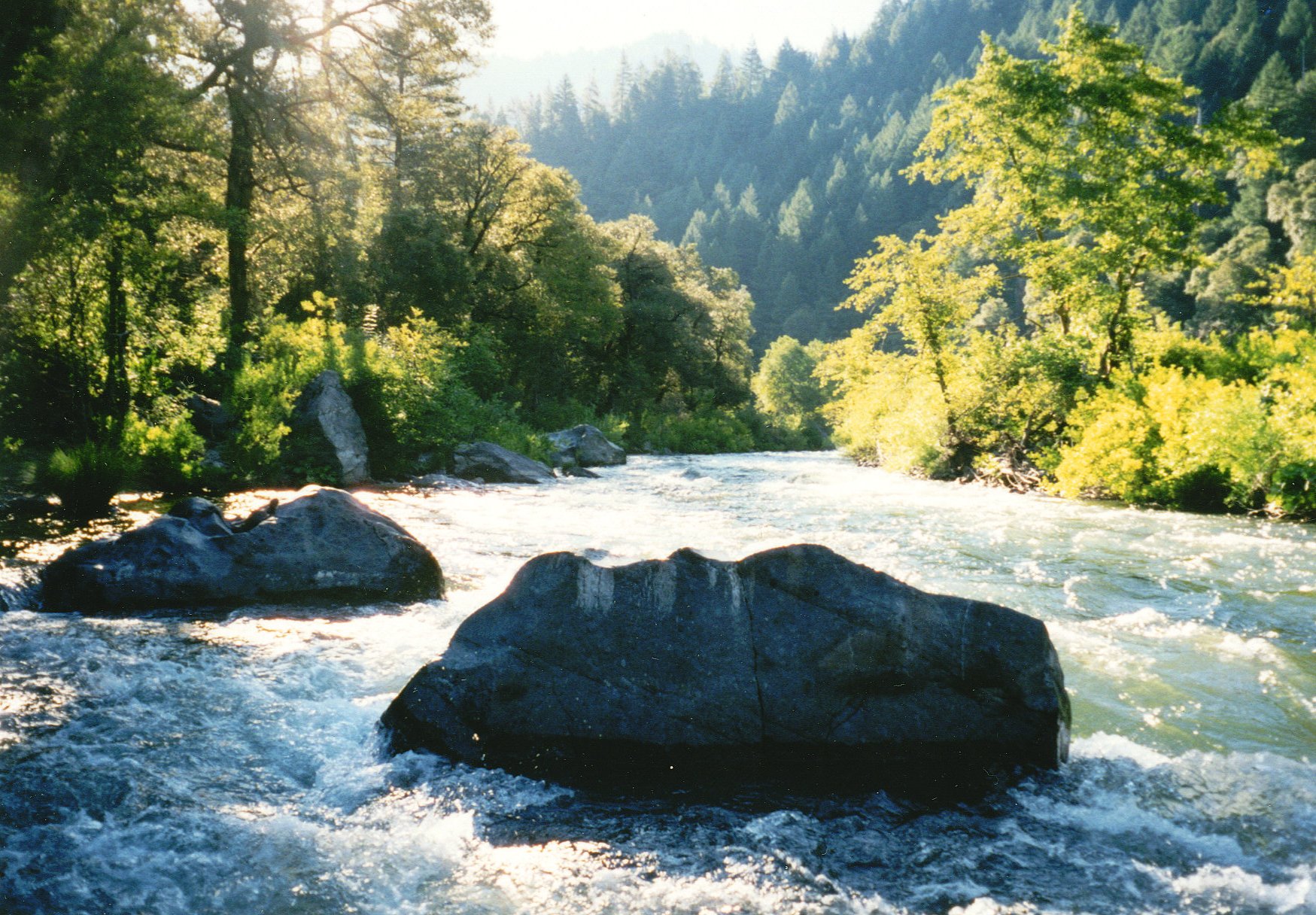
Caption: McCloud River. Credit: Caltrout
A dozen years ago, Governor Jerry Brown shepherded Proposition 1, The California Water Bond, through a successful statewide ballot campaign. It wasn’t hard. The 2008 financial crisis had ebbed, and California had been enduring a tough drought.
The campaign dangled the promise of slaking California’s thirst. For just $2.7 billion in taxpayer subsidies, dams and groundwater storage projects could be built to accomplish that apparently noble goal. Voters and politicians alike embraced that heavenly vision.
Not to be outdone, in 2016 the late California U.S. Senator Dianne Feinstein passed her “drought” bill, the Water Infrastructure Improvements for the Nation Act (WIIN), a bill seeking to revive the U.S. Bureau of Reclamation’s (Reclamation) moribund dam-building program — as well as stoke the dam-building aspirations of others. It was a sweeping bill with a huge number of other more obscure provisions long sought by the state’s water utility and irrigation power brokers.(1)
The damage done by those measures continues. But the vision of a great new dam-building era, in part, still has had to deal with a harsh reality: there was a reason why those dams hadn’t been built in the previous waves of California’s dam-building eras. Let’s look at the fates of the supplicants for these funds:
The losers so far:
Reclamation’s $2-billion project to expand Shasta “Lake,” already the largest reservoir in California, and increase the yield of its Central Valley Project by less than 1% (0.7%) floundered when its water district partners found themselves afoul of the California Wild & Scenic Rivers Act. Apparently, no one at Reclamation had figured that out yet.
Reclamation’s grand $3-billion project to build a dam on the San Joaquin River at Temperance Flat: This would have been the second tallest dam in California for a similarly small increase in CVP water deliveries. It never even got a completed feasibility report. Getting a water right presented formidable obstacles (the rights were already spoken for), the subsidies were not big enough, and the local irrigation districts had other priorities.(2)(3)
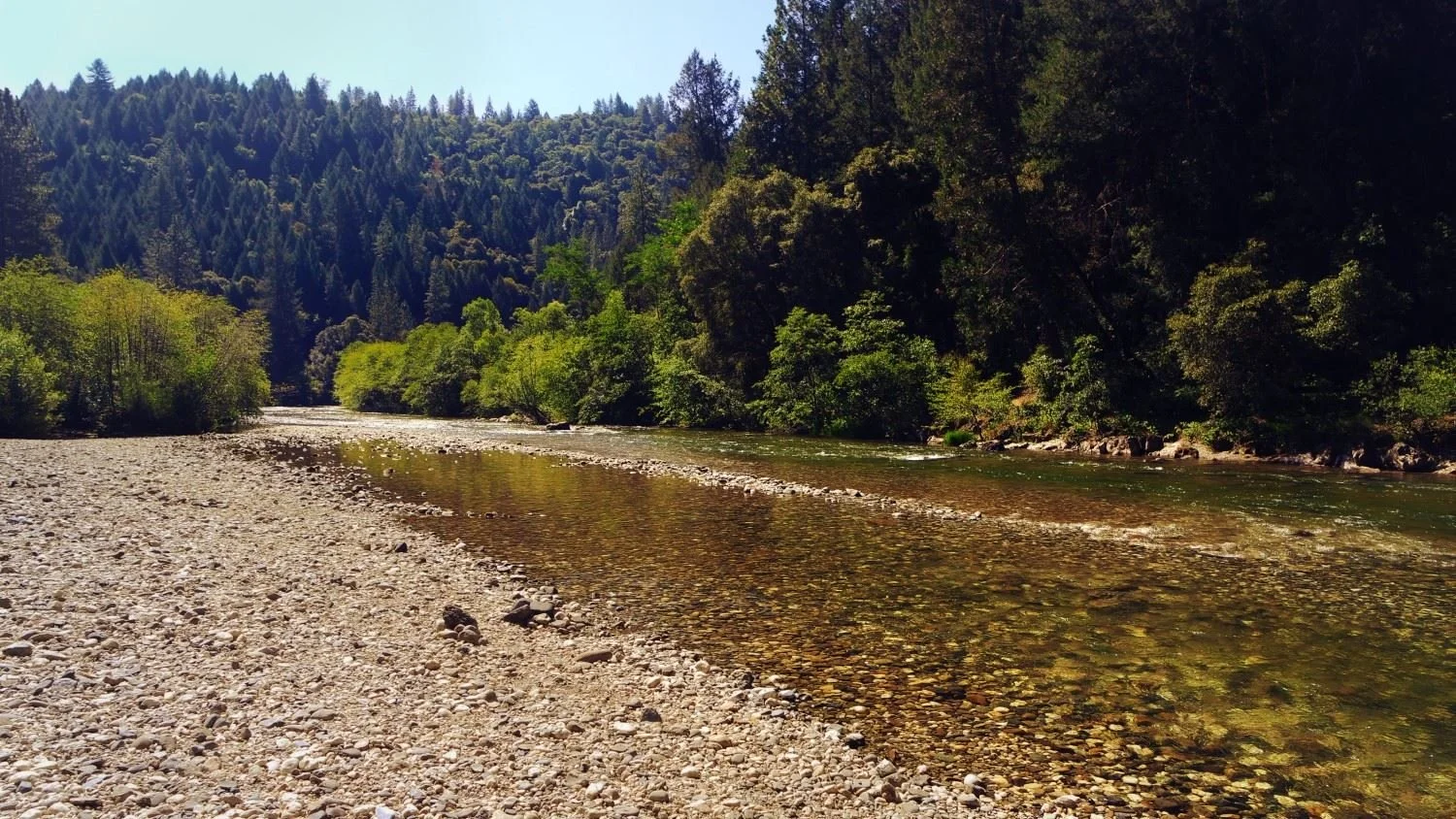
Caption: Bear River. Credit: FOR Archives
Contra-Costa Water District’s $1.5 billion dollar Los Vaqueros Reservoir expansion project self-destructed when other Bay Area water districts declined to help finance the project.
Santa Clara Valley Water District’s Pacheco dam proposal collapsed, plagued by increasing costs, lack of project partners, and expected delays in receiving the water rights necessary for the project — and we like to think that its proposed illegal inundation of part of Henry Coe State Park might have cast a shadow over the project.
Nevada Irrigation District’s Centennial dam barely managed to show up for the state subsidies made possible by Governor Brown. No subsidies were awarded, and eventually the District dropped the project.
But some still have hope:
The four groundwater storage projects promised California Water Bond funds are all plugging away. One is even in construction. Three of them propose to withdraw Delta water from the California Aqueduct for use in the distant Southern California water market (although one recently received permission to use at least some of its banked water for local irrigators). The first has some vague hope to perhaps augment groundwater conditions in southern Sacramento County.
The proposed surface storage are even more troubling.
The Sites Project Authority still is thinking big. Their $6.8 billion (at last count), 1.5-million-acre-foot north-state reservoir proposal has benefitted from powerful political protectors, the potential to push more water through the Delta (through the proposed Delta tunnel), and a Southern California customer base facing supply constraints on the Colorado River. The latter are praying that an allotment of reservoir space will translate into real water — well, at least an amount equal to 0.57% of the state’s current use. But, as they say, prayers are not always answered. Nevertheless, the Authority is betting that desperate south-state water districts will be willing to pay any price for water.
Santa Clara Valley Water District still hopes to arrange for partners to share in the $900-million cost of expanding San Luis Reservoir. That “deal” will have to be consummated soon.(4)
Last, perhaps, is the out-of-the-headlines San Joaquin Valley Patterson-area water district with an idea to build a $1.1 billion 84-thousand-acre-foot Del Puerto Canyon reservoir north of San Luis Reservoir because, why not.
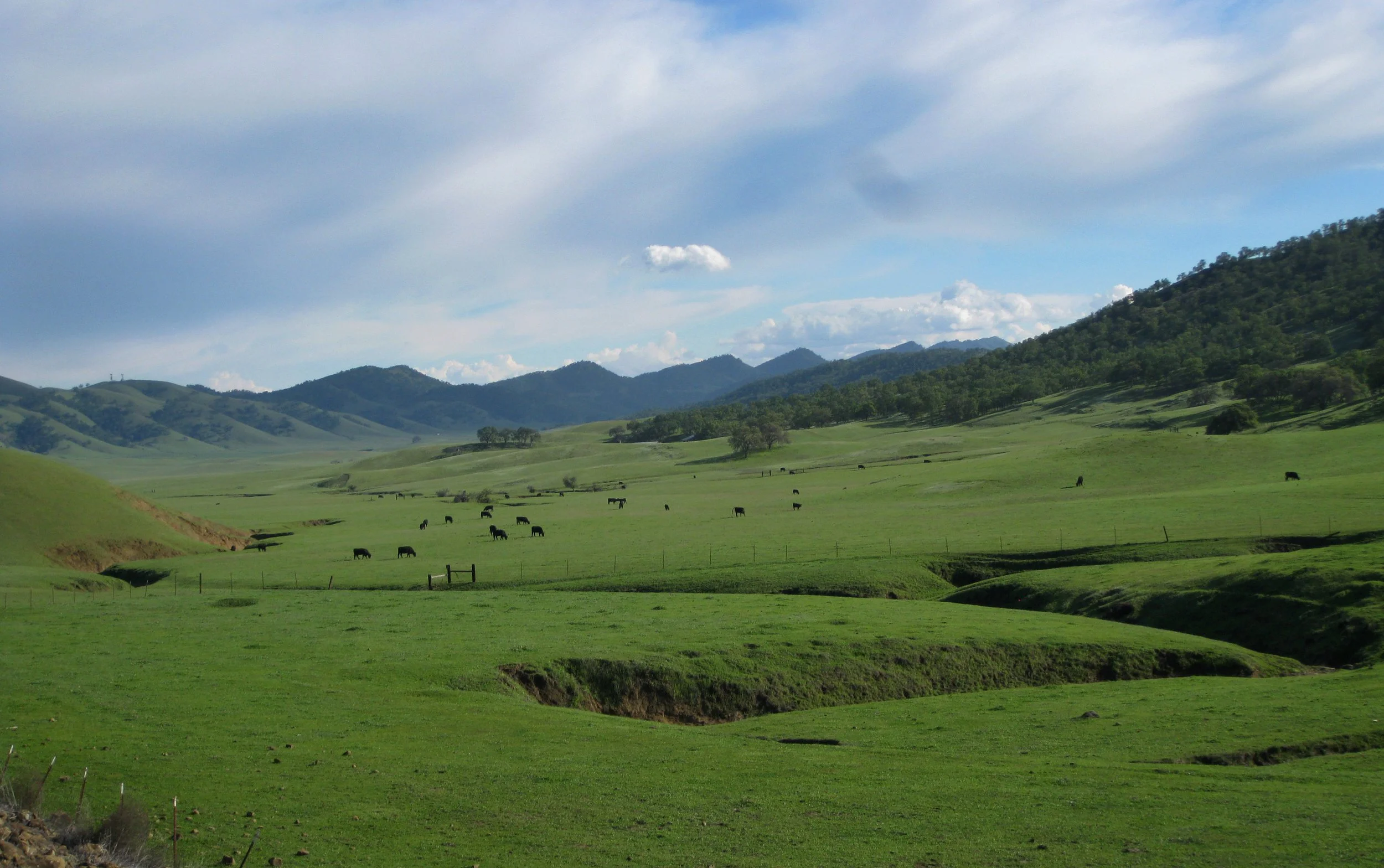
Sites Valley is a lush and green landscape in the spring, with cows enjoying the bounty peppered throughout. Credit: Greg Kareofelas

San Luis Reservoir. The green in the foreground is a bloom of toxic algae. Credit: CA Dept. of Water Resources.
The United State Army gets in the game too:
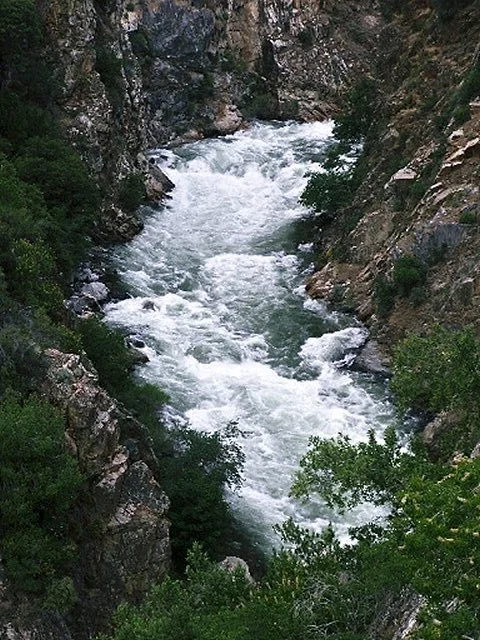
Kings River canyon, not the threatened region mentioned in this article. Credit: FOR Archives.
The U.S. Army Corps of Engineers and their cooperating irrigators don’t have to use Water Bond and WIIN subsidies: the Corps program already has built-in 65% federal taxpayer subsidies for “flood control” purposes. Conveniently, the Corps dams in the San Joaquin Valley can and do double as water-supply dams, and that can motivate powerful Valley “movers and shakers”. So the Corps and their aspiring beneficiaries are busily doing feasibility studies to raise Pine Flat Dam on the Kings River and more than doubling the size of Eastman “Lake” created by Buchannon Dam on the Chowchilla River.
And then there is the Tuolumne River:
The Turlock and Modesto Irrigation Districts win the “chutzpah above and beyond the call” award. They want to capture all the potentially available water rights and water on the Tuolumne River. Yes, you read that right. Every. Last. Drop. To do this they are planning to expand their giant 2-million-acre-foot Don Pedro Reservoir onto the Tuolumne national wild & scenic river and to build a million acre-feet of new “off-stream” storage drawing off the reservoir (these and additional projects are contemplated).
Looks like river friends will not suffer from lack of work.
For a previous update on many of these projects, please read this blog.
For more information on the state of play on the proposed Del Puerto Canyon dam, please read this blog.
Resources