New Permitting Bill in Congress Would Eviscerate Environmental Laws
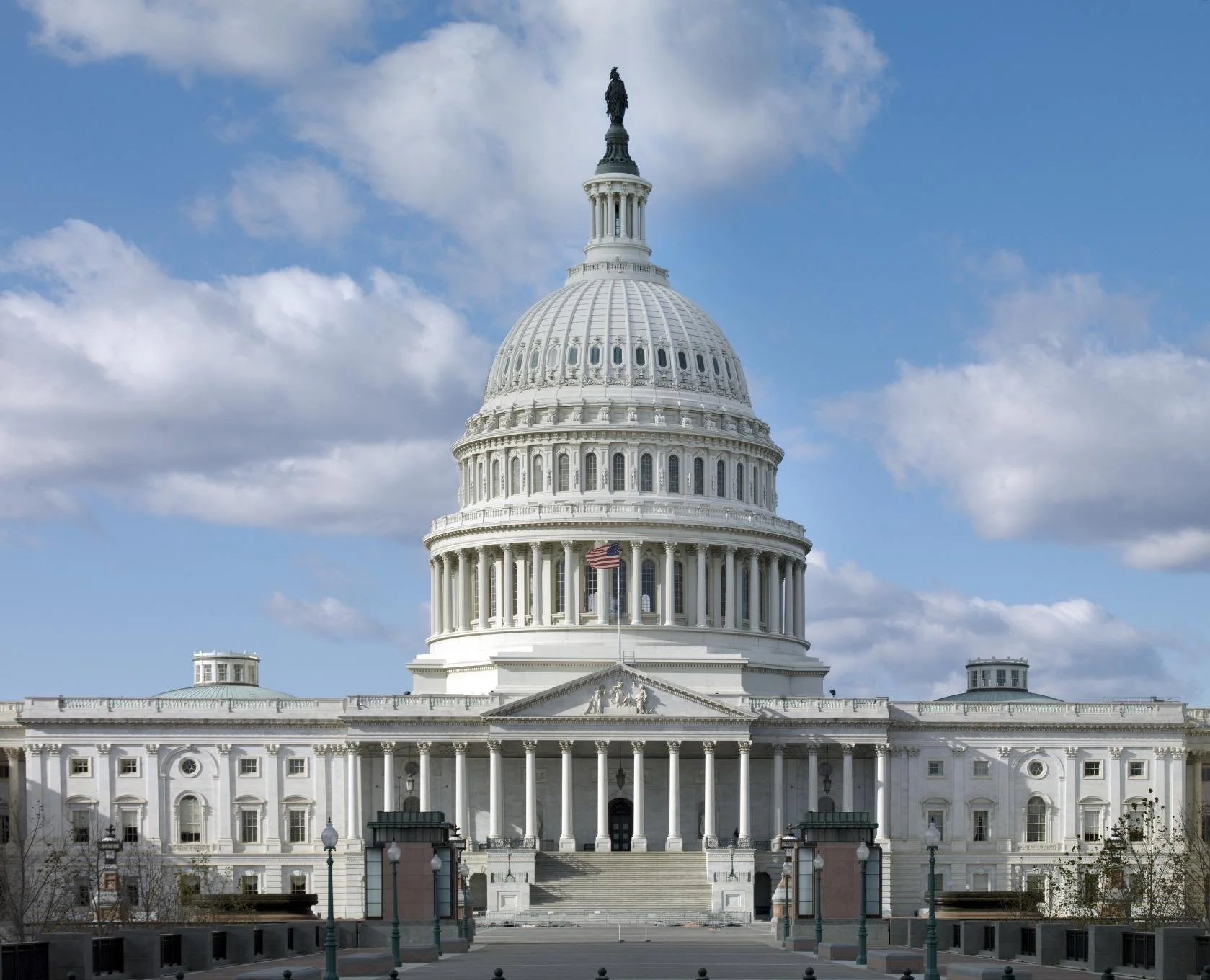
United States Capitol, photo by Library of Congress
By Keiko Mertz and Matt Emard
A new bipartisan bill in Congress threatens to dismantle some of the nation's most important environmental protections. Introduced in the Senate on September 30, the Bipartisan American Affordability and Jobs Act of 2026 (S. 5653 aka BAAJA) is being sold as a way to accelerate infrastructure development and cut bureaucratic red tape. In reality, it would eviscerate the tools that organizations like Friends of the River, Tribes, and members of the public use to challenge destructive projects, demand better environmental protections, and hold government agencies accountable. Some Senate Democrats are pushing the bill out of a laudable desire to accelerate permitting of clean energy projects, but they’re overlooking environmental and other costs that could more than offset the energy gains they’re hoping to make.
BAAJA proposes sweeping changes to cornerstone environmental laws, including the Clean Water Act, Endangered Species Act, National Environmental Policy Act (NEPA), and Federal Power Act. The era that gave birth to many of these protections was also an era of environmental disaster—rivers on fire, near extinction of our national bird, acid rain, smog in major cities to name a few. At the time, the nation was acutely concerned about how unregulated industries were destroying people’s lives and landscapes, and determined not to let it continue.
Weakening these laws would make it harder to prevent environmental disasters before it's too late.
Here are just a few ways BAAJA threatens environmental protections:
Watch this short video on the importance of the Clean Water Act, co-produced by FOR
Gutting Clean Water Act protections: The bill would significantly undermine States' authority to protect their rivers and waterways under Section 401 of the Clean Water Act. It would restrict the types of impacts states can consider when reviewing federally permitted projects and make it harder to impose conditions that protect fish, river flows, and recreation. This would also impact States’ abilities to ensure public safety in some cases, leaving the public at risk when federal regulators don’t prioritize safety, which recently happened on the San Joaquin River in California.
Undermines National Environmental Protections: S. 5653 excludes certain types of projects from NEPA review and creates exemptions and carve outs for others. NEPA was established as the first national framework for environmental protections and created regulatory requirements for federal projects and activities. This bill would allow projects such as new oil pipelines to avoid full federal environmental review. Walking back the scope and applications of NEPA’s regulations and protections through S. 5653 will expand the impacts of harmful industries on our native fish and rivers.
Weakens the Endangered Species Act: BAAJA furthers the Trump Administration’s rollbacks of ESA protections. Under the bill, some Endangered Species reviews would be exempted (i.e. new highway projects) and others could be fast tracked by opening paths to go around federal agencies. The bill also changes the ESA’s definition of “best available science” in a way that may weaken environmental oversight moving forward.
Despite the rhetoric, environmental review and public participation aren't obstacles to progress. It’s how we ensure that major projects (like data centers, oil pipelines, landfills, and federal permits for energy projects) are informed by science, consider alternatives, and protect the public interest.
It’s possible to improve permitting for clean energy projects without taking away the public’s voice and undermining our democratic values.
At this writing, S. 5653 appears slated to pass the Senate, though both California Senators are opposed. It will then move to the House.
For a deeper look at S. 5653 and its implications, read this detailed analysis by Chris Shutes of California Sportfishing Protection Alliance
To check bill status, visit this link.
California’s Senators oppose, but a vote in the House could happen before the end of the year.
To contact your Representative in Congress, visit this link. It wouldn’t hurt to tell them you are extremely concerned about S. 5653.