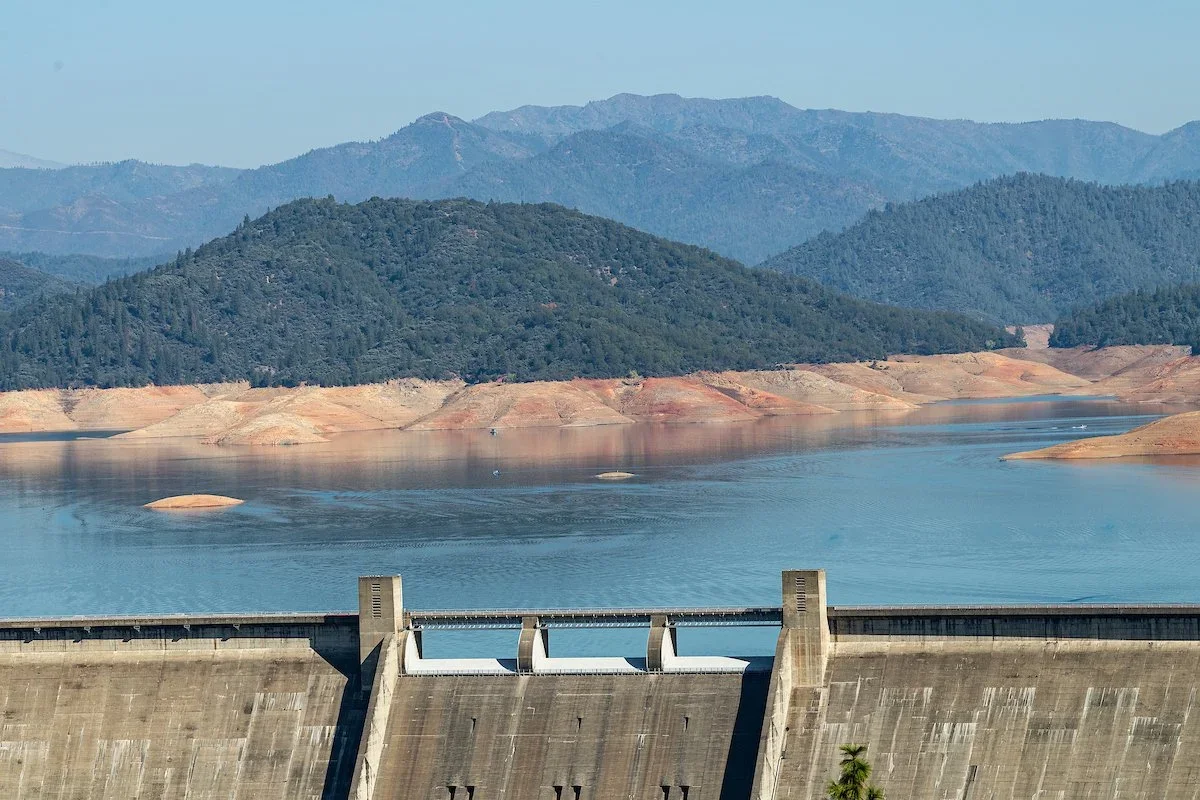
Shasta Reservoir at 32% capacity, photo by DWR
The national balance of power in the next House and Senate shifted in this year’s November general election. From a Friends of the River perspective, the cast of House members from California also changed (or didn’t change) in ways that could affect the budding dam construction proposals on California rivers.
The unusual November 2025 mid-census California voter-approved reapportionment affected some of the key congressional districts, something that I covered in my River Advocate piece after the 2025 general election, but here’s a quick refresher:
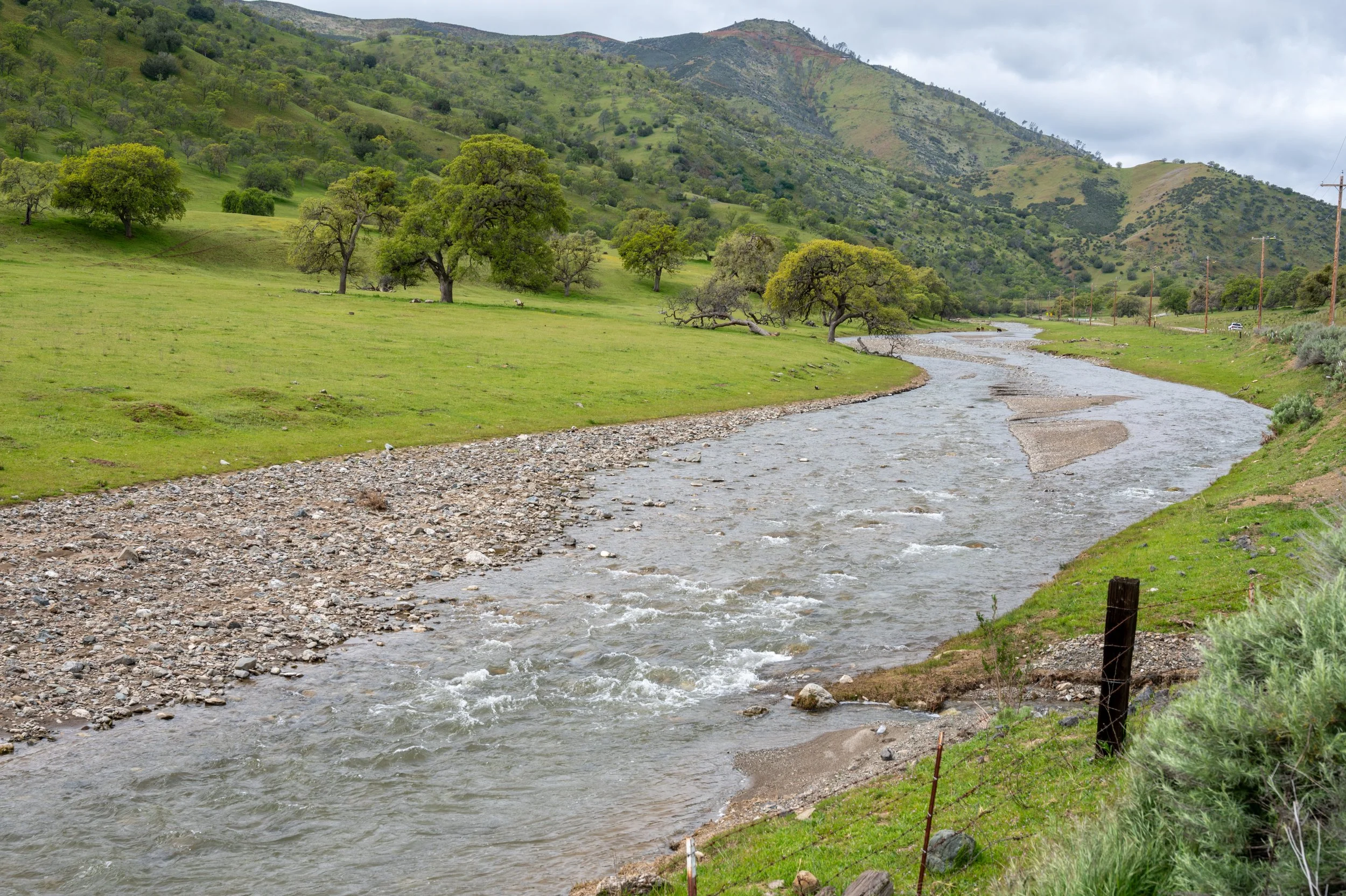
Mt. Diablo Range Confluence, photo by Scott Hein
Del Puerto Dam: Pro-dam Congressman Adam Gray (D-Merced) won his race in a district that includes the proposed $1.1 billion Del Puerto Canyon dam in western Stanislaus County. He and Congressional appropriators continue to feed Reclamation money for federal studies and permitting work for this Del Puerto Water District dam proposal. I’d be surprised if that funding does not continue with Gray’s newfound majority party status and continued GOP support for the dam. More on Del Puerto Canyon Dam.
Pine Flat Dam Raise: As expected, Representative Vince Fong (R-Bakersfield) won his race in District 20. Fong and Rep. Jim Costa (D-Fresno) have been the champions of a billion-dollar Pine Flat Dam-raise on the Kings River east of Fresno. They secured a Congressional authorization in the 2024 Water Resources Development Act for the U.S. Army Corps of Engineers to study and design the project. The Corps is using an accelerated process (3x3x3 planning) to allow it to seek Congressional approval to raise the dam and reservoir twelve feet, and Fong is pushing for an early response, something he may feel important to win during the last two years of the Trump Administration.
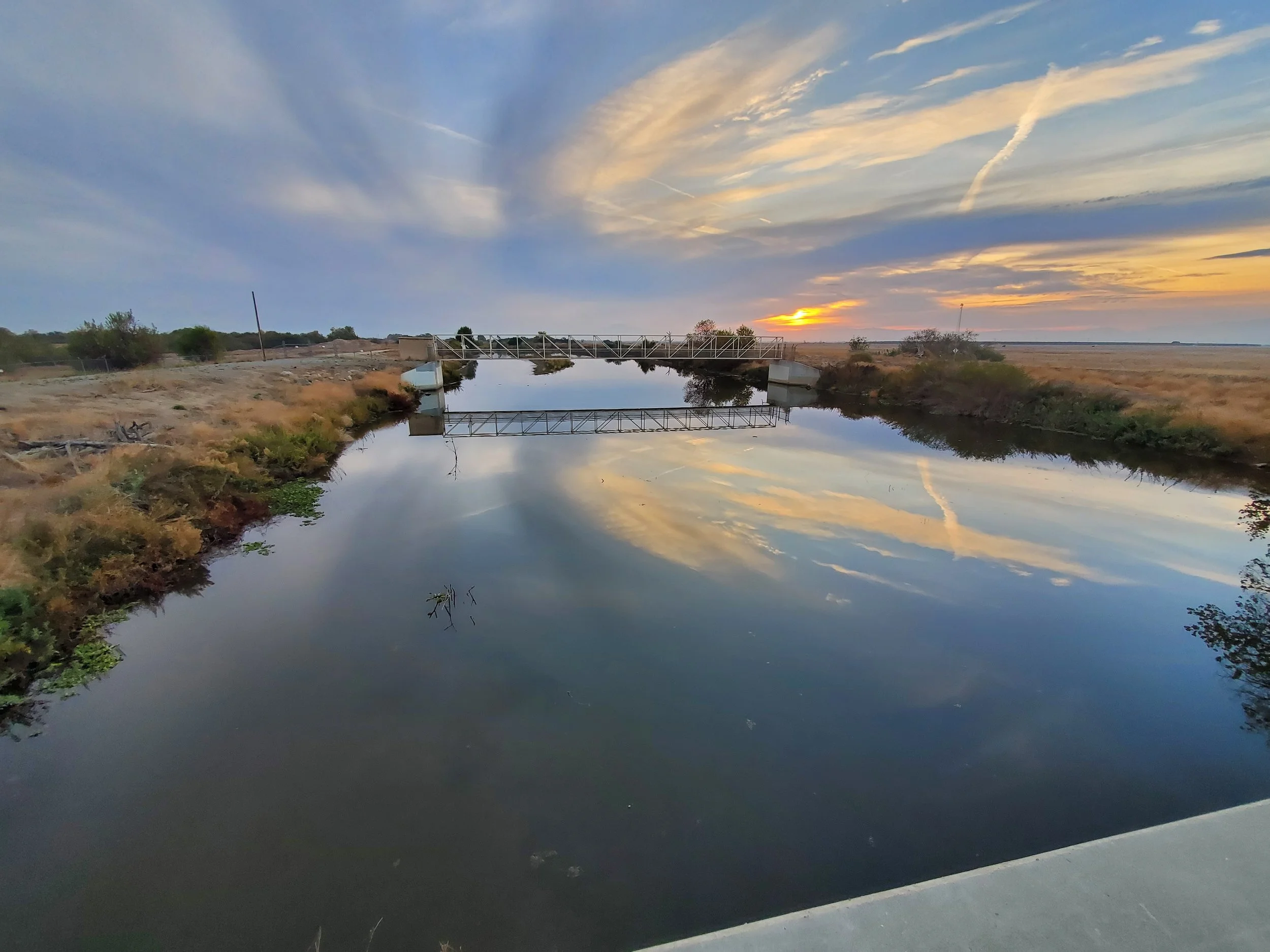
Kern River, photo by Greg Reis
Central Valley ag pressures: Support for dams along the waterways tributary to California’s Central Valley has been bipartisan for decades. Representatives Costa (Dist. 21) and Gray (more recently) have formed the backbone of Democratic support with the late Senator Feinstein. Even California U.S. Senators Alex Padilla and Adam Schiff have felt that tug. With the election defeat of Rep. David Valadao (R-Hanford), Representative-elect Randy Villegas (D-Bakersfield) will take Valadao’s seat (Dist. 22), on January 3, and we will see how aligned he will be his fellow Valley Democrats as he, too, feels the tug from the Valley’s powerful water districts and big ag.
Sierra Nevada changes: The 2026 to 2030 reapportionment had a big effect in the Sacramento Valley Congressional maps, expanding Sacramento Valley and even coastal districts east and across the thinly populated Sierra Nevada. Democrats Mike McGuire (Dist. 1) (D-Healdsburg) and Ami Bera (Dist. 3) (D-Rancho Cordova) now have districts that include large northern Sierran rivers and streams.
Official photo of Rep. Jared Huffman (D-San Rafael)
Merced River and New House Committee Leadership: Rep. Jared Huffman (D-San Rafael), a long-time voice for environmental protection, has a similarly expanded district (Dist. 2). Perhaps more consequentially, he is also expected to be the next chairman of the House Natural Resources Committee (formerly the Interior and Insular Affairs Committee). This is the committee of jurisdiction for wild & scenic river bills and authorizations for U.S. Bureau of Reclamation projects.
If Huffman has a working majority on his committee, Rep. Tom McClintock’s long-delayed effort to de-designate a portion of the Bureau of Land Management Wild & Scenic Merced River in his district (Dist. 5) will have to wait even longer for a favorable political environment. Huffman’s chairmanship may also blunt the prospects for a similar de-designation effort by the Turlock and Modesto Irrigation Districts on the Tuolumne River likely to be pushed by Representative’s McClintock and Gray.
Shasta Dam Raise: Huffman and now retired Rep. Nancy Pelosi (D-San Francisco) have been key to blocking Reclamation’s efforts to get construction funding to expand Shasta Reservoir into the California Wild & Scenic Rivers Act-protected McCloud River. Reclamation, though, is working hard to do the pre-construction design work taking advantage of various federal funding vehicles created by GOP lawmakers and the late California U.S. Senator Dianne Feinstein. Huffman’s committee is Reclamation’s authorizing committee, putting him in position to block explicit new authorizations of the dam raise, and perhaps future appropriations — including the complicated web of dangerous back-door authorization and funding vehicles created during GOP-led congresses.
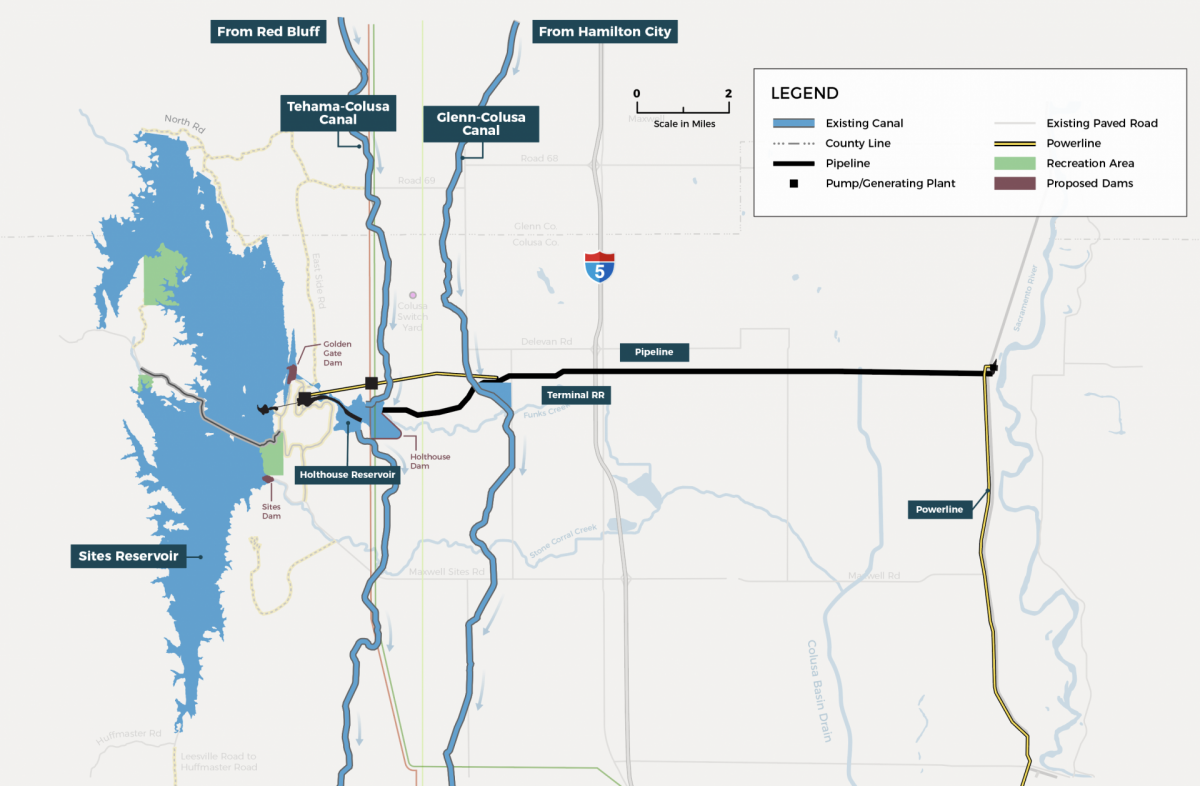
Proposed Sites Project, map by Sites Project Authority 2021
Sites Reservoir: The prospects for federal funding for the Sites Reservoir project along the western edge of the Sacramento Valley may or may not have been much affected by the election. The project lands will be shared by incoming Representatives Mike McGuire in Congressional District 1 and either veteran Mike Thompson (D-Helena) or newcomer Eric Jones (D-Napa) in Congressional District 4.. At this writing, the close Thompson/Jones race has not been decided.
The Sites Authority is potentially eligible for federal grants of up to 25% of the $6.8-9 billion project, although the U.S. Bureau of Reclamation is currently planning to pay 9-16%, but the funding vehicles, at least initially, may be under the control of the Trump Administration, not the Congress
Also, the Sites Project, in spite of its high costs and limited benefits, has been the darling of GOP and Democratic politicians and north and south state water interests. Whether the new Congressmen will be willing to buck that history remains an open question. The bean counters and directors of the Metropolitan Water District of Southern California may ultimately be the real decision makers on whether the Sites Reservoir gets built. Even with the billions in state and federal subsidy dollars for being shoveled into this project, that still leaves Southern California and a few Bay Area water districts with some big bills to pay.
The old Congress still has a lot of work to do, so a post-election lame-duck session is already underway. Federal appropriations for FY 2026-27 have yet to decided. The federal debt limit needs to be extended, and there are some other bills such as the National Defense Authorization Act that the Congress has to pass or is strongly motivated to do so.
Much mischief can occur in lame-duck sessions with must-pass bills still pending. GOP lawmakers can be expected to squeeze as many legislative initiatives through as possible while they still have working majorities in the House of Representatives and the Senate and a friendly, if somewhat erratic, President. Some prospective bill language may involve specific projects, other bills may involve broad “reforms,” such as the “permitting reform” bill that dramatically weakens environmental and procedural protections in the Clean Water Act, National Environmental Policy Act, and Federal Power Act now clearing in the U.S. Senate.
It will not be a pretty lame-duck session.